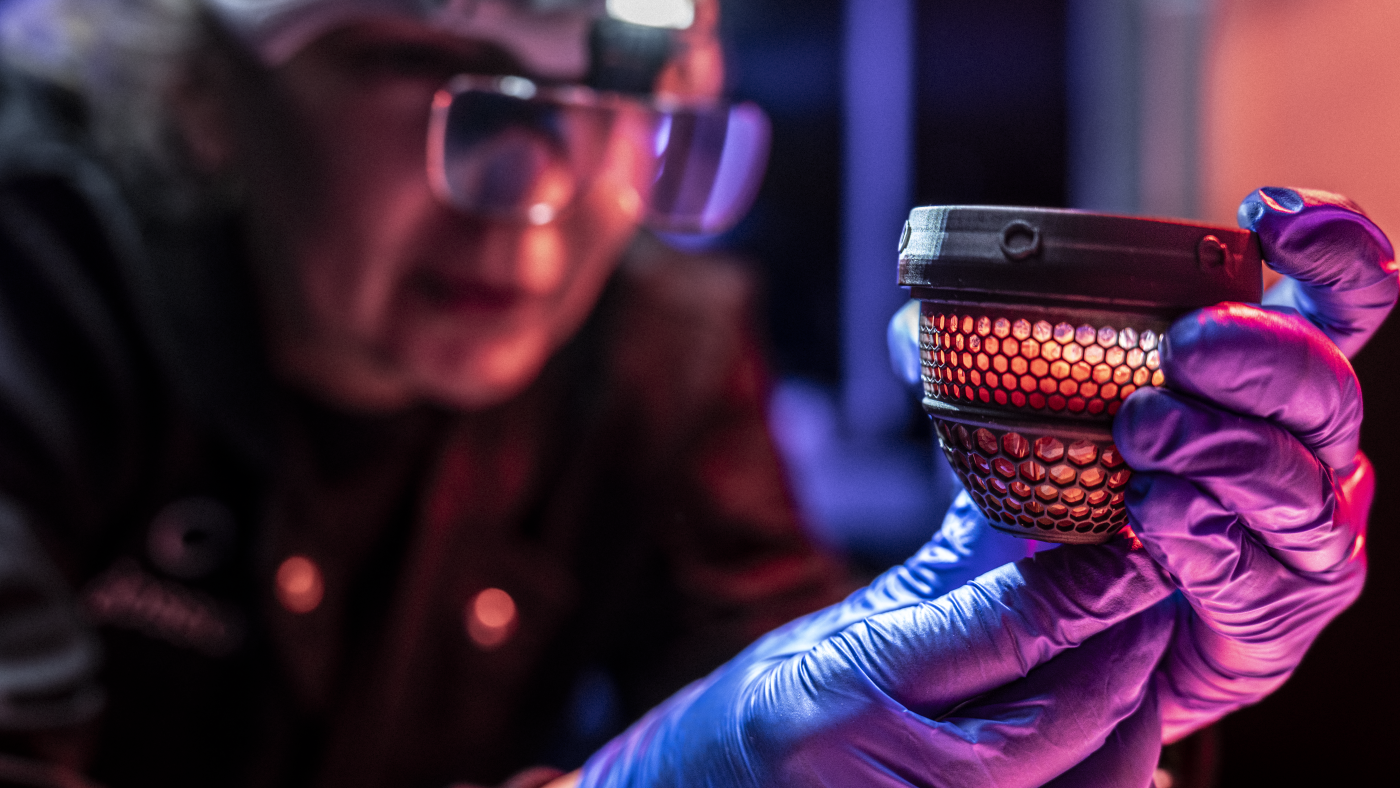
In a groundbreaking scientific development, Texas-based biotechnology company Colossal Biosciences has announced the creation of artificial eggs, a critical step toward resurrecting extinct bird species like the dodo. This innovation is part of the company’s ambitious de-extinction efforts, which aim to leverage cutting-edge genetic engineering to restore lost wildlife and combat biodiversity loss.
The Quest to Bring Back the Dodo
The dodo, a flightless bird native to Mauritius, was declared extinct in the late 1600s due to overhunting and habitat destruction. Its extinction has since become a symbol of human impact on biodiversity. Reviving the dodo has long been a tantalizing goal for scientists, but the challenges of recreating its unique biology have been monumental—until now.
Colossal Biosciences, already known for its work on woolly mammoth de-extinction, is applying similar genetic technologies to birds. However, birds present a unique obstacle: unlike mammals, they develop inside eggs, not wombs. Consequently, creating artificial eggs that can sustain embryonic development has been a key hurdle for scientists seeking to bring back extinct avian species.
How Artificial Eggs Work
Natural bird eggs are complex biological structures, providing the necessary nutrients, oxygen, and protection for an embryo to develop. To replicate this, Colossal Biosciences has developed artificial egg prototypes that can mimic these conditions. These synthetic eggs serve as incubators for genetically engineered embryos, which are created using a combination of DNA from closely related living species and recovered genetic material from extinct ones.
The company’s breakthrough in artificial egg technology marks a significant milestone. “This is a crucial step for avian de-extinction,” said a spokesperson for Colossal Biosciences. “We now have the ability to create a controlled environment where these embryos can grow and develop, bringing us closer to reviving species like the dodo.”
The Science Behind De-Extinction
At the heart of Colossal’s efforts lies CRISPR-Cas9, a gene-editing tool that allows scientists to precisely modify DNA. By comparing the genomes of extinct species to their closest living relatives, researchers can identify the genetic differences and use CRISPR to edit the DNA of living species to recreate the extinct ones. For the dodo, this involves working with its closest genetic relative, the Nicobar pigeon.
Once the edited DNA has been created, it is inserted into an egg cell, which is then placed inside the artificial egg for incubation. The goal is to create a viable embryo that can develop into a living bird, effectively bringing the species back from extinction.
Ethical and Ecological Implications
While the prospect of reviving extinct species is exciting, it also raises important ethical and ecological questions. Critics argue that resources spent on de-extinction could be better used to protect endangered species and their habitats. Additionally, reintroducing extinct animals into modern ecosystems could have unforeseen consequences, potentially disrupting existing ecological balances.
Proponents, however, believe that de-extinction could help restore damaged ecosystems and serve as a powerful tool in the fight against biodiversity loss. “Reviving species like the dodo is not just about bringing back an iconic animal—it’s about correcting past mistakes and giving ecosystems a chance to recover,” Colossal Biosciences stated.
Looking Ahead
While the artificial egg is a critical technological advancement, the journey to reviving the dodo and other extinct birds is far from over. Researchers still face significant challenges, from perfecting the genetic engineering process to addressing the ethical and ecological implications of their work. Nevertheless, Colossal Biosciences’ achievement brings the scientific community one step closer to turning the dream of de-extinction into reality.
As humanity grapples with the consequences of biodiversity loss, efforts like this could redefine what is possible in conservation science. Whether or not the dodo will one day roam the Earth again remains to be seen, but one thing is clear: the boundaries of science are being pushed further than ever before.