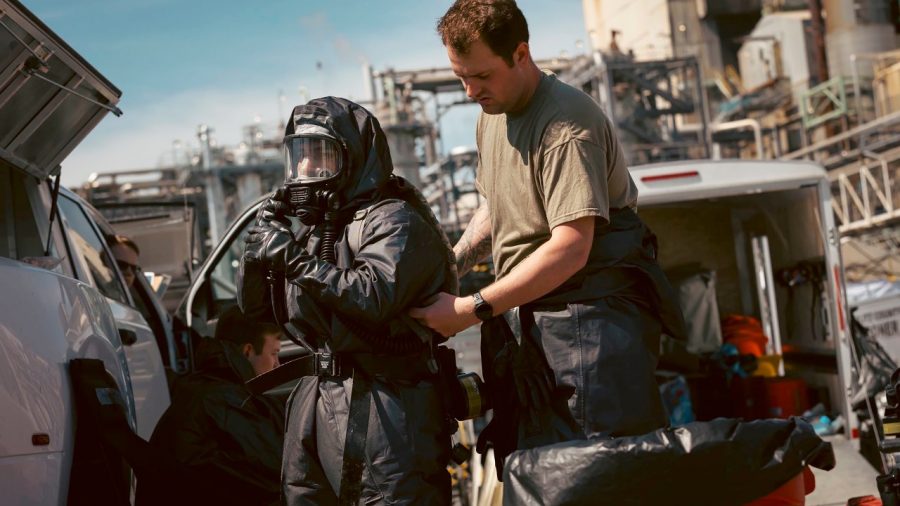
Rising Chemical Accidents in the U.S.: A Growing Danger Amid Aging Infrastructure
In recent years, the United States has witnessed a worrying trend: a significant rise in serious chemical accidents at industrial facilities. Aging infrastructure and the presence of repeat offenders among chemical plants have made these facilities more susceptible to hazardous incidents, raising alarms among safety experts and the public alike.
The Alarming Statistics
According to data from the Environmental Protection Agency (EPA) and the Chemical Safety Board (CSB), the number of serious chemical incidents has surged by over 30% in the past decade. This rise is not just a statistical anomaly; it represents a growing risk to workers, nearby communities, and the environment. In 2022 alone, there were more than 1,500 reported chemical incidents across the country, with a significant number resulting in injuries, evacuations, or environmental contamination.
Aging Infrastructure: A Recipe for Disaster
Many industrial facilities in the U.S. operate within plants that are decades old, often built before modern safety regulations were enacted. The lack of investment in infrastructure upgrades has led to deteriorating equipment, outdated safety systems, and increased vulnerability to accidents. Experts argue that without substantial capital investment in maintenance and modernization, the risk of catastrophic failures will only grow.
Repeat Offenders: The Need for Accountability
Compounding the issue is the presence of repeat offenders in the chemical industry. Certain facilities have a history of violations and accidents that have raised questions about the effectiveness of regulatory oversight. For instance, a study revealed that roughly 25% of all serious incidents in recent years were linked to facilities that had previously reported similar accidents. This pattern suggests a troubling lack of accountability that could jeopardize public safety.
Community Impact and Response
The repercussions of these accidents extend far beyond the factory walls. Communities near chemical plants face heightened risks, and in some cases, residents have been forced to evacuate due to toxic leaks. Local government officials are becoming increasingly vocal about the need for stricter regulations and improved safety protocols to protect their constituents. In response to rising incidents, some municipalities have begun to implement their own safety inspections, seeking to hold facilities accountable.
The Role of Technology in Enhancing Safety
Advancements in technology offer hope for improving safety in the chemical industry. Innovations such as real-time monitoring systems, predictive maintenance technologies, and advanced automated safety protocols are being explored as potential solutions to mitigate risks. By leveraging these tools, facilities can enhance their safety measures, identify potential hazards before they escalate, and ultimately reduce the likelihood of accidents.
Looking Ahead: The Need for Comprehensive Reform
As the frequency and severity of chemical accidents continue to rise, the need for comprehensive reform in the regulatory framework governing the chemical industry has never been more urgent. Advocates argue that stronger enforcement of existing safety regulations, coupled with increased funding for infrastructure upgrades, could significantly reduce the risk of future incidents.
Conclusion
The rising tide of serious chemical accidents in the U.S. demands immediate attention from policymakers, industry leaders, and the public. As aging infrastructure and repeat offenders contribute to an increasingly dangerous landscape, the imperative for reform becomes clear. Without proactive measures to enhance safety and accountability, the potential for disaster remains unacceptably high.