Introduction
Recent developments in Southeast Asia have heightened concerns over the safety and security of the Strait of Malacca, one of the world’s busiest maritime corridors. The proposal from Indonesian Finance Minister Purbaya Yudhi Sadewa to introduce transit fees, akin to those recently enacted by Iran in the Strait of Hormuz, has sparked alarm. This move coincides with aggressive warnings from the United States military regarding Iranian shadow fleet vessels operating in the region.
The Proposal: A Closer Look
The Indonesian government is considering the implementation of transit fees for ships passing through the Strait of Malacca. Minister Sadewa’s proposal aims to generate revenue and enhance maritime security. However, it has raised concerns among shipping companies and international stakeholders who fear that such fees could lead to increased shipping costs and potential diversion of maritime traffic to alternative routes.
Impact on Global Shipping
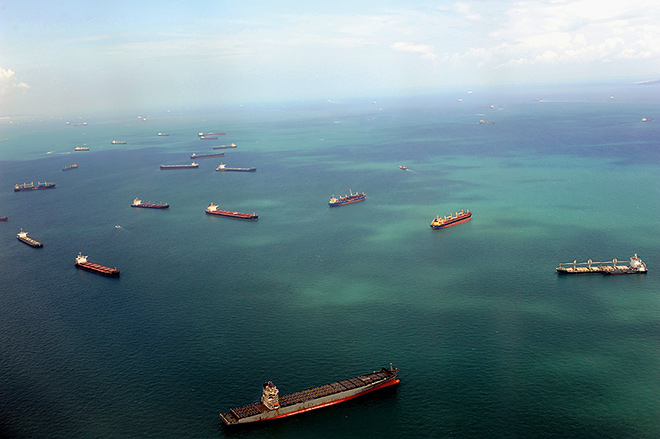
The Strait of Malacca is a critical passage for international trade, with approximately one-third of global shipping traffic passing through its waters. Any significant disruptions in this vital corridor could have far-reaching implications for global supply chains. Shipping companies are already wary of increased costs, and the proposed transit fees could exacerbate these anxieties.
US Military Response: Threats Against Iranian Oil Ships
Amidst Indonesia’s proposal, the US military has issued stern warnings regarding Iranian oil vessels operating near the Strait of Malacca. The Pentagon has declared it will “aggressively pursue” any Iranian shadow fleet vessels, which are known for their clandestine operations. This declaration is part of a broader strategy to counter Iranian influence in the region and ensure the free flow of maritime trade.
Escalating Tensions in the Region
The combination of Indonesia’s transit fee proposal and the US military’s aggressive stance against Iranian oil ships has created a tense atmosphere in the Strait of Malacca. Analysts fear that these developments could lead to an escalation of maritime conflicts, further destabilizing the region. The potential for confrontations between US forces and Iranian vessels raises concerns about the safety of commercial shipping in these contested waters.
International Reactions
The international community has reacted cautiously to these developments. Shipping associations and trade organizations have expressed their concern over the proposed transit fees, urging the Indonesian government to reconsider, citing the potential negative impact on global trade. Furthermore, nations reliant on the Strait for energy imports are closely monitoring the situation, as any disruptions could affect their economies.
Calls for Dialogue and Diplomacy
Given the rising tensions, there are increasing calls for dialogue and diplomatic efforts to resolve the issues at hand. Experts suggest that a collaborative approach involving regional powers may help de-escalate tensions and ensure the continued safety of maritime routes. The need for a stable and secure Strait of Malacca is paramount, not only for Indonesia but for the entire global economy.
Conclusion
The proposal for transit fees by Indonesia, coupled with US military threats against Iranian oil ships, underscores the fragile nature of maritime security in the Strait of Malacca. As these developments unfold, stakeholders in the shipping industry and international relations must remain vigilant. The potential consequences of these actions could have lasting impacts on global trade and regional stability.