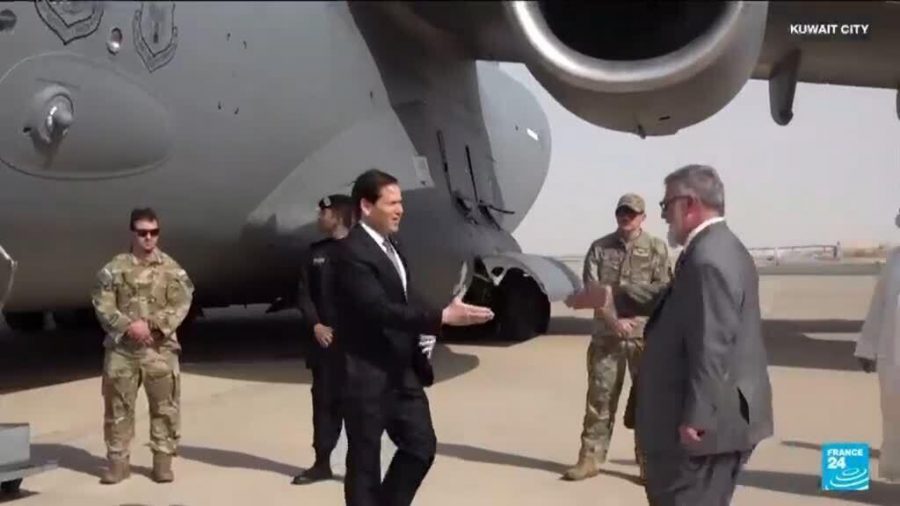
US Secretary of State Marco Rubio’s Diplomatic Tour in the Gulf
In a bid to reassure Gulf allies regarding U.S. intentions in the Middle East, Secretary of State Marco Rubio embarked on a diplomatic tour of the region on Wednesday. The visit comes at a critical time as the U.S. seeks to finalize a settlement with Iran, a move that has raised concerns among Gulf states historically threatened by Tehran’s aggressive tactics.
Addressing Regional Security Concerns
During a press briefing in Riyadh, Rubio emphasized that the U.S. remains committed to safeguarding the interests of Gulf nations amidst the ongoing negotiations with Iran. This assurance is particularly significant considering the recent escalation of hostilities in the region, where Iranian missiles and drones have targeted Gulf states, raising alarm over their security.
The Threat of Iranian Aggression
The backdrop of Rubio’s visit is marked by increasing tensions following an Iranian blockade of the Strait of Hormuz, a vital waterway for global oil and gas shipments. This blockade has effectively cut off crucial energy supplies, leading to a spike in regional anxiety and prompting calls for a stronger U.S. military presence to deter Iranian aggression.
Reaffirming Military Alliances
Rubio’s discussions included assurances of continued military cooperation between the U.S. and its Gulf partners. He highlighted the importance of U.S. defense commitments in the face of Iranian provocations, stating, “We will not allow the stability of this region to be compromised by a rogue state that threatens our allies and global commerce.”
Economic Implications of the Iran Deal
As the U.S. moves closer to a potential deal with Iran, there are growing fears among Gulf states about the economic repercussions. Many leaders in the region worry that a normalized relationship between Washington and Tehran could embolden Iran, leading to more aggressive actions against their interests.
In response to such concerns, Rubio outlined plans to enhance economic ties with Gulf nations, assuring them that the U.S. would work to mitigate any adverse effects stemming from the negotiations. “Our goal is to ensure that our partners here are not left vulnerable as we engage with Iran,” he stated.
Strengthening Diplomatic Efforts
Rubio’s tour is part of a broader strategy by the Biden administration to strengthen diplomatic ties with Gulf states while navigating the complexities of the Iranian situation. As part of this effort, Rubio met with leaders from Saudi Arabia, the United Arab Emirates, and Qatar. Each conversation focused on shared security concerns and the importance of presenting a united front against any threats posed by Iran.
The Path Forward
As negotiations with Iran continue, the U.S. faces the dual challenge of securing a favorable agreement while ensuring the safety and economic viability of its Gulf allies. Rubio’s reassurances come at a pivotal moment for the region, where the balance of power remains precarious and the implications of U.S. foreign policy decisions resonate deeply.
Conclusion
In the coming weeks, the outcome of the negotiations with Iran will be closely monitored not only by U.S. officials but also by leaders in the Gulf. The stakes are high, and the potential for an improved diplomatic landscape hinges on America’s ability to navigate these turbulent waters while maintaining the trust and security of its regional partners.