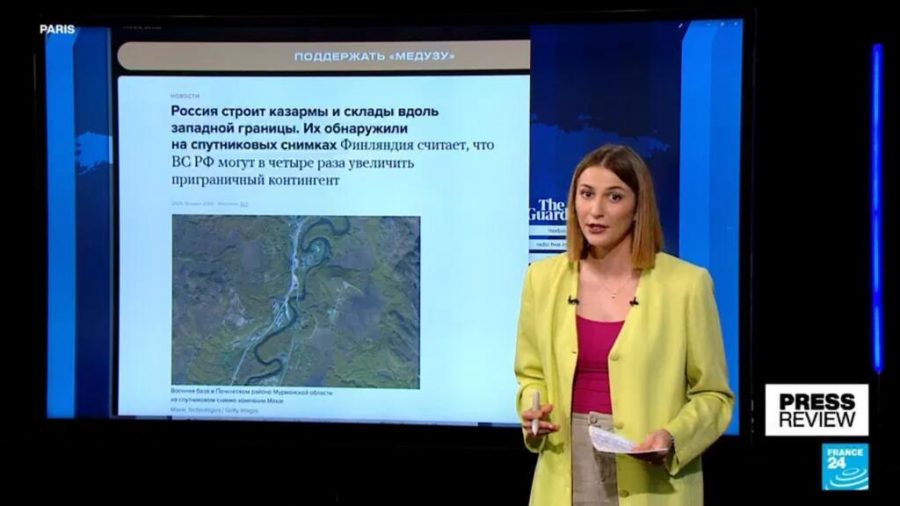
Russia Expands Military Infrastructure Near Finnish and Norwegian Borders
In recent weeks, Russia has significantly ramped up its military presence and infrastructure along its borders with Finland and Norway, raising concerns among neighboring countries and NATO allies. This move is seen as a response to the increasing tension in the region and the ongoing geopolitical landscape shaped by the conflict in Ukraine.
Strategic Military Developments
Reports indicate that the Russian military has begun constructing new bases and enhancing existing facilities in the northern regions of Murmansk and Karelia. These upgrades are not just limited to barracks and storage facilities; they also include advanced weaponry systems, increased troop deployments, and expanded logistical capabilities.
Military analysts are closely watching these developments, as they could signify a shift in Russia’s military strategy towards its Arctic and Nordic neighbors. The newly established infrastructure is expected to facilitate rapid troop movements and logistical support should tensions escalate.
Historical Context of Russia’s Military Posturing
The relationship between Russia and its Nordic neighbors has been strained since the annexation of Crimea in 2014. Finland and Norway, both NATO partners, have expressed concerns about Russia’s military activities in the Arctic region, which have included increased naval exercises and air patrols. The historical context of these tensions underscores the importance of NATO’s collective defense strategy in the region.
International Reactions
In response to Russia’s military buildup, both Finland and Norway have ramped up their own defense measures. Finland’s Defense Minister has publicly stated that the country is prepared to enhance its military readiness in light of the increased Russian presence. Similarly, Norway has announced plans to increase its defense spending and conduct more joint military exercises with NATO partners.
- Increased Defense Spending: Norway has committed to raising its military budget to ensure readiness against potential threats.
- Joint Military Exercises: Both Finland and Norway have participated in joint drills with NATO forces to bolster defense capabilities.
- Surveillance and Intelligence Sharing: Enhanced cooperation in intelligence sharing has been emphasized among NATO allies to monitor Russian activities.
The Role of the Arctic in Global Geopolitics
The Arctic region is becoming increasingly important in global geopolitics, not only due to its natural resources but also as a strategic military theater. Russia’s investment in military infrastructure in the Arctic suggests that it views this area as critical to its national security interests.
As climate change continues to open up new shipping routes and access to untapped resources, competition among nations for control over these areas is expected to intensify. This situation poses significant challenges for international diplomacy and regional stability.
Privacy Concerns and Technological Surveillance
While military infrastructure developments are underway, the implementation of cutting-edge surveillance technology has sparked privacy concerns globally. This technology, notably showcased at international events such as the World Cup, raises questions about the balance between security and privacy rights. Critics argue that excessive surveillance can lead to the erosion of civil liberties.
Conclusion
As Russia continues to enhance its military capabilities along the Finnish and Norwegian borders, the implications for regional security are profound. The response from Nordic countries and NATO partners will be crucial in maintaining stability in the region. The growing military presence in the Arctic adds another layer of complexity to an already tense geopolitical landscape, necessitating continued vigilance and diplomatic engagement.