Ryanair’s Controversial Proposal Puts British Drinking Culture in Jeopardy
In a move that has ignited fierce debate across the United Kingdom, Ryanair’s CEO has proposed to either limit or altogether halt the sale of alcohol at airports during morning hours. This suggestion, perceived by many as an encroachment on personal freedoms, has drawn sharp criticism, with detractors labeling it as a symptom of a ‘nanny state’ mentality.
A Tradition Under Threat
The British tradition of enjoying a drink before a flight—often referred to as ‘pre-flight pints’—has long been a cherished ritual for many travelers. For countless Brits, the experience of sipping a lager or a gin and tonic while waiting at the airport embodies a sense of relaxation and anticipation for their journey ahead. However, Ryanair’s CEO, Michael O’Leary, argues that excessive drinking in airports leads to unruly behavior and safety concerns on flights, prompting his call for tighter regulations.
Public Reaction
The reaction to O’Leary’s proposal has been overwhelmingly negative among the public and industry insiders alike. Social media has become a battleground, where users express their outrage and disbelief at the idea of restricting alcohol sales. “What’s next? Are we going to ban drinking in pubs too?” one user tweeted, encapsulating the sentiments of many who view this proposal as an overreach. A recent poll indicated that more than 70% of respondents opposed the idea, calling it an attack on their right to enjoy a drink in a social setting.
The Nanny State Argument
Critics argue that the push to limit alcohol sales in airports exemplifies a growing trend towards government intervention in personal choices. The term ‘nanny state’ has been thrown around frequently, with many fearing that this is just the beginning of a broader campaign to regulate personal freedoms under the guise of safety. “It’s about personal responsibility,” said Jane Smith, a frequent traveler. “If someone wants to have a drink before their flight, that should be their choice, not something dictated by an airline CEO.”
Safety Concerns or Overreach?
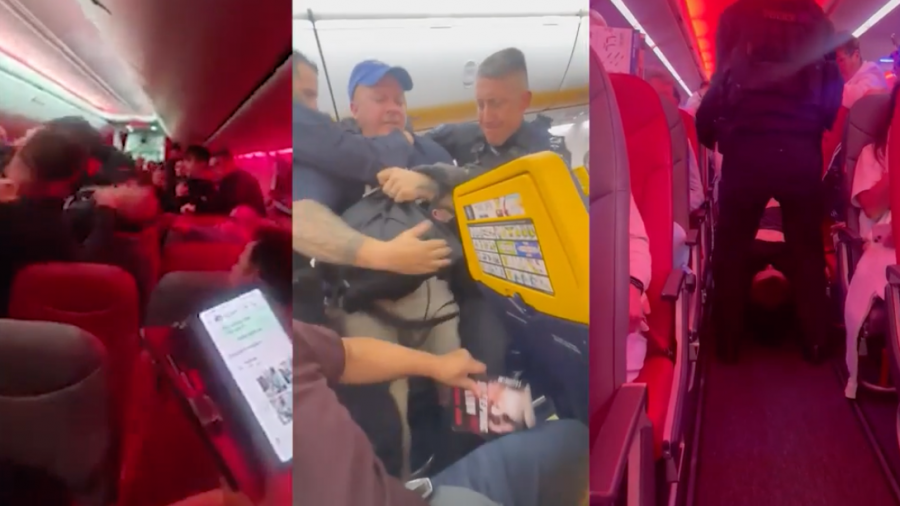
On the other hand, proponents of the proposal argue that safety should be the primary concern. Instances of disruptive behavior fueled by alcohol consumption on flights have been on the rise, and airlines face increasing pressure to address these issues. “We have a responsibility to ensure that all passengers feel safe and comfortable during their flight,” O’Leary stated in a recent interview. “Limiting alcohol sales is a step towards ensuring that safety remains our top priority.”
The Future of Airport Alcohol Sales
The debate surrounding Ryanair’s proposal raises important questions about the future of alcohol consumption in airports. Will the government step in to impose regulations, or will airlines be left to navigate this contentious issue on their own? As more travelers take to the skies, the conversation is likely to evolve, with both sides presenting compelling arguments.
Conclusion
As the public outcry continues, the future of airport alcohol sales remains uncertain. Whether this proposal will lead to significant changes in regulations or become just another footnote in the ongoing discussion about personal freedoms in Britain is yet to be seen. However, one thing is clear: the British tradition of enjoying a drink before takeoff is under threat, and many are not willing to let it go without a fight.