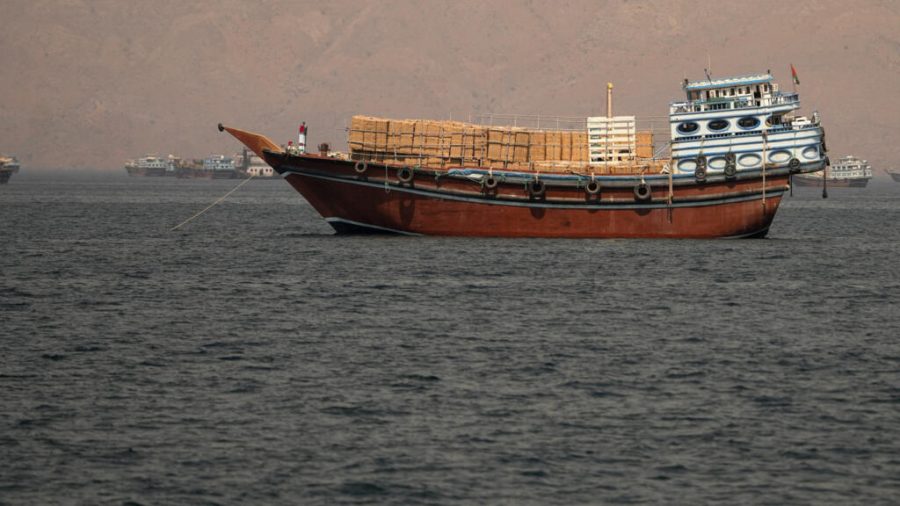
Sailors Trapped in Hormuz Strait, Dodging Drones and Rationing Food
The Strait of Hormuz, a vital waterway for global oil shipments, is currently embroiled in geopolitical tensions, leaving thousands of sailors stranded in precarious conditions. As US-Iran negotiations commence in Switzerland, the Iranian government has tightened its grip on the strait, exacerbating an already volatile situation.
The Closure of the Strait
Despite the hope for diplomatic resolutions, the Strait of Hormuz remains closed, a decision made by Iranian authorities who accuse Israel of violating ceasefire agreements by continuing military operations in Lebanon. This closure not only affects the movement of oil tankers but also poses severe risks to the lives of sailors who are trapped in an active conflict zone.
The Human Cost of Geopolitical Tensions
For the sailors stranded in the strait, the situation is dire. With limited access to food and supplies, many are forced to ration their provisions while navigating threats from aerial drones. Phil Belcher, the marine director at the International Association of Independent Tanker Owners (Intertanko), provided insights into the challenges faced by these maritime workers.
Voices from the Frontline
In an exclusive interview with FRANCE 24, Belcher explained that the sailors are adapting to this crisis with resilience. “Many of them are on board their ships for extended periods, facing not just the physical absence of supplies but also the psychological strain of being in a conflict zone,” he stated. He emphasized the need for urgent humanitarian assistance to ensure the safety and well-being of these individuals.
The Global Economic Impact
The closure of the Strait of Hormuz not only jeopardizes the lives of sailors but also has far-reaching implications for the global economy. The strait is a crucial passage for approximately 20% of the world’s oil supply. Disruptions in this area can lead to increased oil prices, affecting consumers worldwide and potentially triggering economic instability.
Call for Action
As the situation develops, there is an urgent call for international bodies to intervene and facilitate safe passage for vessels. The maritime community is advocating for a renewed focus on diplomacy to resolve the tensions that have led to the current crisis.
Conclusion
The sailors trapped in the Strait of Hormuz exemplify the human cost of geopolitical conflicts. As global powers engage in negotiations, it is imperative to remember those caught in the crossfire. The hope remains that as discussions unfold in Switzerland, a pathway to peace can be forged, reopening the strait and allowing these sailors to return home safely.