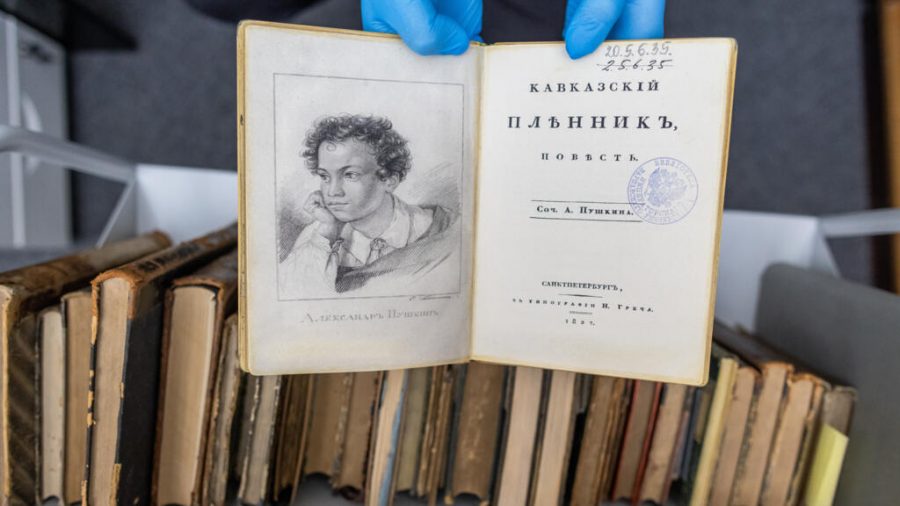
Seven Georgians on Trial for Stealing Rare Russian Books
In a landmark case that underscores the fragility of cultural heritage, a Paris court is set to hear the trial of seven Georgian nationals accused of stealing invaluable works by renowned Russian authors, including the literary titan Alexander Pushkin. The thefts, which targeted prestigious libraries across France, are believed to be part of a broader organized theft operation that has spanned multiple European countries.
The Allegations
The seven individuals, whose identities have not been disclosed, are accused of orchestrating a series of thefts that have resulted in the loss of rare books, some of which are considered national treasures of Russia. The books, prized for their historical and literary significance, were reportedly taken from libraries in Paris and other French cities over the past few years.
Operation Across Borders
According to prosecutors, the alleged thefts are not isolated incidents but part of a coordinated effort that involves a network operating across Europe. This organized crime syndicate is said to have targeted cultural institutions, exploiting the vulnerabilities in library security systems to acquire priceless manuscripts and books.
- Investigative Efforts: French authorities, in collaboration with international law enforcement agencies, have been working tirelessly to dismantle this network.
- Impact on Culture: The thefts have raised concerns about the protection of cultural heritage and the measures that must be in place to safeguard such invaluable works.
Literary Significance of the Stolen Works
Among the stolen items are rare first editions and manuscripts of Pushkin, often hailed as the father of Russian literature. His works not only hold immense cultural value in Russia but also resonate globally, influencing countless writers and thinkers over the centuries. The loss of such works is a significant blow to literary history and cultural preservation.
Legal Proceedings and Potential Penalties
The trial is expected to draw significant media attention, highlighting issues of art theft, cultural heritage preservation, and international cooperation in law enforcement. If convicted, the defendants could face severe penalties, including lengthy prison sentences. The case also raises questions about the adequacy of security measures in libraries and the responsibility of cultural institutions to protect their collections.
International Response
The theft and subsequent trial have sparked a broader conversation within the European Union about the protection of cultural heritage. Many countries are now reassessing their laws and regulations regarding the safeguarding of literary works and artifacts.
As the trial unfolds, it will likely serve as a critical touchstone in the ongoing battle against art theft and the importance of preserving cultural history for future generations. The outcome may not only impact the defendants but also shape policies surrounding the protection of cultural heritage across Europe.