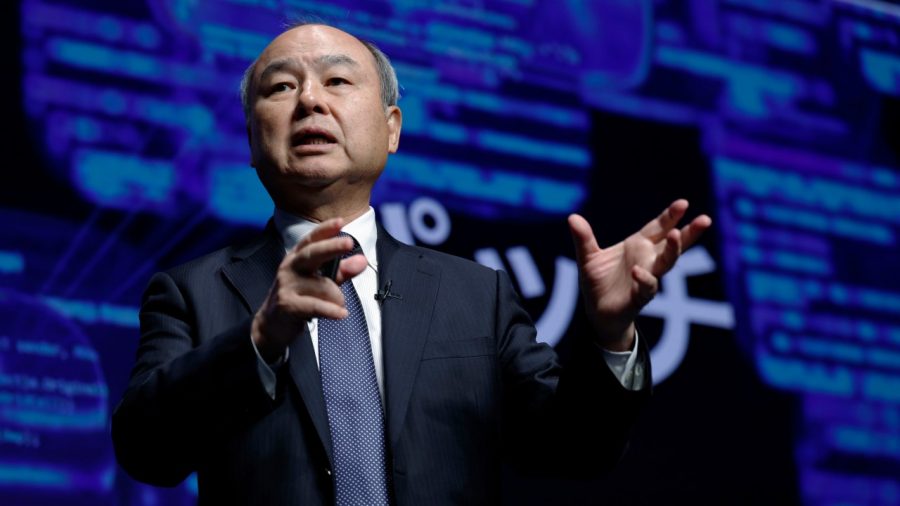
SoftBank’s Masayoshi Son Challenges Elon Musk’s AI Ambitions
In the ever-evolving landscape of technology and innovation, few figures are as polarizing as Elon Musk. Known for his audacious ventures into electric vehicles and space exploration, Musk has recently set his sights on artificial intelligence. However, one of tech’s most prominent investors, Masayoshi Son of SoftBank, has emerged as a vocal skeptic of Musk’s AI vision, particularly regarding his plans for space-based data centers.
The Vision Behind Space-Based Data Centers
Elon Musk envisions a future where artificial intelligence operates seamlessly from space-based data centers, leveraging the vast capabilities of satellites and advanced technology. This ambitious project is seen as a means to enhance global connectivity, reduce latency, and provide unprecedented computational power for AI applications. Musk’s vision is bold, proposing to revolutionize how we think about data storage and processing in the context of AI.
Masayoshi Son’s Calculated Gamble
In stark contrast, Masayoshi Son, the founder and CEO of SoftBank Group, is not convinced. He argues that the fundamental mathematics behind space-based data centers do not support Musk’s grand ambitions. Son, who has made a name for himself as one of the biggest gamblers in tech investments, believes that the costs and logistical challenges associated with launching and maintaining such infrastructure in space could outweigh potential benefits.
Logistical Challenges of Space Infrastructure
Son’s skepticism is rooted in the practicalities of deploying technology in space. The logistics of launching data centers into orbit, the need for constant maintenance, and the challenges of ensuring reliable internet connectivity present significant hurdles that Musk may not have fully accounted for.
- High Launch Costs: The expense of launching satellites and maintaining them in orbit can run into billions of dollars.
- Maintenance and Repairs: Space-based systems require constant monitoring and repair, which adds layers of complexity and cost.
- Latency Issues: While Musk’s vision aims to reduce latency, the physical distance between Earth and space can still introduce delays.
The Financial Implications
Son’s perspective is further influenced by the financial realities facing such ambitious projects. He emphasizes that the return on investment may not justify the initial outlay required to set up space-based data centers. With SoftBank’s history of investing in transformative technology, Son is cautious, advocating for a more grounded approach that prioritizes feasibility over ambition.
SoftBank’s Strategic Positioning
SoftBank has made headlines in recent years for its aggressive investments in various tech sectors, including AI, robotics, and telecommunications. However, Son’s reluctance to back Musk’s space-based data center initiative indicates a strategic pivot towards more traditional and proven technologies. This aligns with SoftBank’s broader strategy of focusing on ventures that promise sustainable growth and profitability.
The Future of AI and Space Technology
While Musk’s vision of space-based data centers may capture the imagination, Son’s caution serves as a reminder of the challenges that lie ahead in marrying AI with space technology. As both figures continue to shape the future of tech, the debate between ambitious innovation and practical considerations will likely intensify.
Conclusion
In the high-stakes world of technology, Masayoshi Son’s skepticism represents a critical counterpoint to Elon Musk’s bold aspirations. As the industry continues to evolve, the dialogue between visionaries and pragmatists will play a vital role in determining the trajectory of advancements in artificial intelligence and beyond.