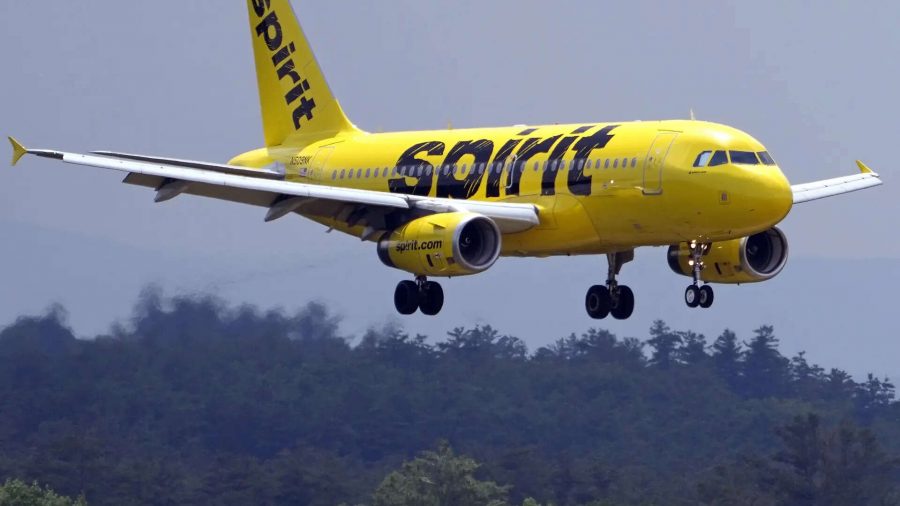
Spirit Airlines, a leading name in budget travel, has officially ceased operations after 34 years of service. The sudden shutdown marks a significant shift in the airline industry, leaving thousands of employees and travelers in its wake.
Spirit Airlines: A Brief History
Founded in 1980, Spirit Airlines began as a small regional carrier offering affordable flights to a select few destinations. Over the decades, it grew into one of the most recognized low-cost airlines in the United States, known for its no-frills service and ultra-low fares. At its peak, Spirit operated over 70 aircraft and served hundreds of routes across North America, South America, and the Caribbean.
Financial Struggles and the Impact of COVID-19
Despite its earlier successes, the airline faced significant financial challenges in recent years. Since 2020, Spirit Airlines has reported losses exceeding $2.5 billion, largely attributed to the COVID-19 pandemic’s devastating impact on the travel industry. As demand plummeted and operational costs soared, the airline struggled to maintain profitability.
Failed Federal Intervention
In an attempt to stabilize the airline, federal intervention was sought, but ultimately proved ineffective. The lack of support from the government, combined with increasing operational costs and fierce competition from larger carriers, made it impossible for Spirit to continue its operations. The announcement of the immediate shutdown came as a shock to employees and travelers alike.
Impact on Employees and Travelers
The closure of Spirit Airlines affects approximately 17,000 employees who face an uncertain future in a challenging job market. Many of these employees have dedicated years, if not decades, to the airline, and the abrupt end of their careers has left them reeling. Airlines across the industry are also feeling the ripple effects, as many Spirit employees may seek new opportunities within the sector.
For cost-conscious travelers, Spirit’s shutdown means the loss of an affordable travel option. The airline was known for its low base fares, which attracted a diverse range of passengers looking to save on air travel. With Spirit’s departure from the market, many travelers are left searching for alternative budget carriers, which may not offer the same pricing or route options.
The Future of Budget Travel
As the airline industry continues to evolve, the closure of Spirit raises questions about the future of budget travel. While several low-cost carriers still operate, Spirit’s exit may signal a consolidation trend within the industry. Travelers may need to adapt to higher fares or reduced options as competition dwindles.
Conclusion: A Farewell to Spirit Airlines
Spirit Airlines’ sudden shutdown serves as a poignant reminder of the fragility of the airline industry, particularly in the wake of unprecedented challenges. For those who have relied on Spirit for their travel needs, the end of this era is bittersweet. As the airline departs, it leaves behind a legacy of affordable travel and a community of dedicated employees who shaped its journey.