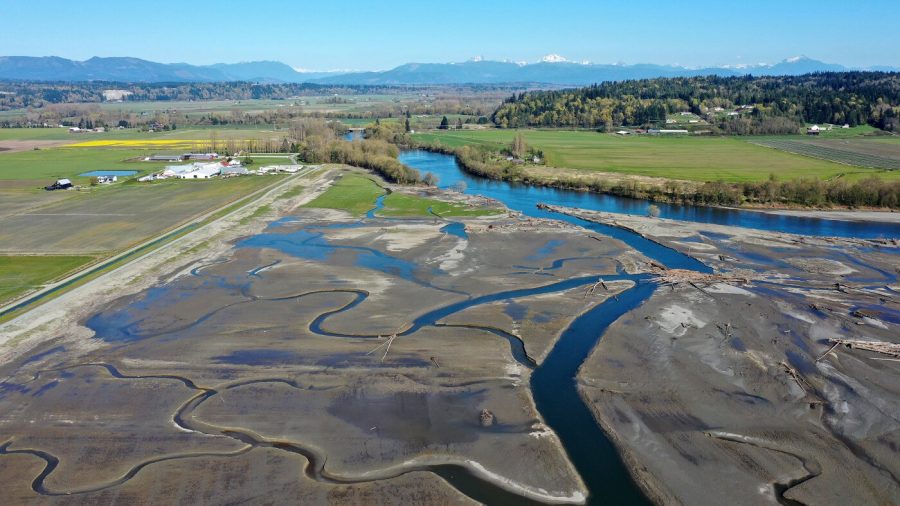
Reviving Tradition: The Stillaguamish Tribe’s Land Restoration Efforts
The Stillaguamish Tribe, rooted in the rich history of Washington State, has embarked on an ambitious project that aims not only to reclaim their ancestral lands but also to restore vital ecosystems. By purchasing hundreds of acres of farmland within their traditional territory, the tribe is taking significant steps towards revitalizing the environment and supporting the struggling Chinook salmon population.
From Farmland to Wetlands
In a progressive move, the Stillaguamish Tribe has been systematically removing levees that have previously restricted the natural flow of water across the landscape. The primary aim of this initiative is to convert regions of farmland into wetlands, a crucial ecosystem that supports a diverse range of wildlife and plays a pivotal role in water management.
The Importance of Chinook Salmon
Chinook salmon are not just a vital species for the ecological balance of the Pacific Northwest; they are also a cultural cornerstone for the Stillaguamish people. The decline of salmon populations due to habitat loss, overfishing, and climate change has been a pressing concern. By restoring wetlands, the tribe hopes to create a more hospitable environment for these fish to thrive.
A Historical Perspective
The Stillaguamish Tribe has a deep-rooted connection to the land and water in their traditional territory. Historically, these areas were abundant in natural resources, providing food and sustenance for generations. However, the introduction of agriculture and urban development has dramatically altered the landscape, leading to a decline in fish populations and the degradation of natural habitats.
Community Involvement and Support
This transformative project is not solely a tribal initiative; it has garnered support from various environmental organizations and local communities. The tribe has emphasized the importance of collaboration, inviting stakeholders to participate in discussions about land management and ecological restoration.
Challenges Ahead
While the vision for revitalizing the wetlands is promising, the journey is fraught with challenges. The tribe faces bureaucratic hurdles, funding limitations, and the ongoing impact of climate change. Nevertheless, the Stillaguamish Tribe remains committed to their mission, advocating for policies that protect their land and resources.
Looking to the Future
The efforts of the Stillaguamish Tribe represent a significant step towards ecological restoration and cultural revival. As they continue to purchase land and transform it into wetlands, they are not only working to save the Chinook salmon but also to heal the relationship between their people and the land.
Conclusion
The Stillaguamish Tribe’s initiative to flood farmland and restore wetlands serves as a powerful reminder of the intersection between cultural heritage and environmental stewardship. By investing in their traditional territory, they are paving the way for a sustainable future, where both the tribe and the salmon can flourish once again.