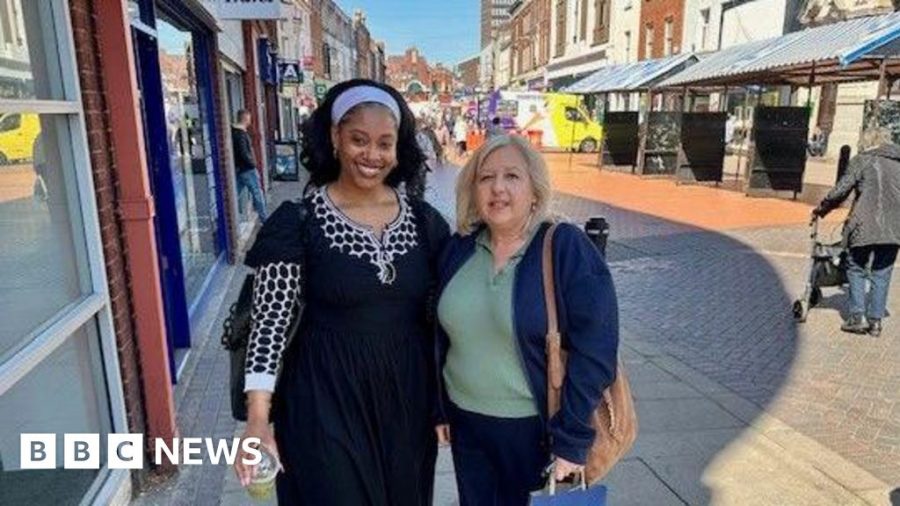
Struggling High Streets Spark Voter Discontent Ahead of Local Elections
As local elections approach in May, a pervasive sense of neglect is brewing among voters, driven by the decline of high streets across England. Many communities are witnessing the gradual erosion of their local shopping districts, fueling political discontent that could significantly impact the outcome of upcoming council elections.
The Local Economy in Decline
Once bustling with activity, high streets have been hit hard by a combination of economic challenges, changing shopping habits, and the aftermath of the COVID-19 pandemic. Many retailers have struggled to keep their doors open, leading to a rise in vacant storefronts and a general sense of decline in many neighborhoods.
- According to recent studies, nearly 20% of high street shops have closed since 2020.
- Local businesses cite rising rents and online competition as significant factors in their struggles.
- Many high streets are now characterized by empty shops, which contribute to a sense of abandonment in communities.
Voter Sentiment and Political Implications
This decline is not just an economic issue; it has profound political ramifications. Voters are increasingly feeling that their concerns are not being addressed by local authorities, leading to a growing sense of discontent. The high street’s deterioration is seen as a reflection of broader governmental neglect, and this sentiment may mobilize voters in unexpected ways during the elections.
Polling data indicates that voters are more likely to support candidates who prioritize local economic revitalization and community engagement. Candidates who fail to address the plight of struggling high streets may find themselves at a disadvantage. As one local resident put it, “If they can’t even take care of our high street, how can we trust them to take care of our community?”
Community Responses and Initiatives
In response to the crisis, numerous grassroots initiatives have emerged, aiming to revive local high streets and foster a sense of community. Local councils and community groups are coming together to propose various strategies:
- Hosting markets and events to attract visitors back to the high street.
- Implementing support programs for local businesses, including grants and training.
- Encouraging mixed-use developments to bring more residents and foot traffic to the area.
These initiatives not only aim to revive the local economy but also to restore the community’s connection to its high street. As local elections draw near, candidates will need to demonstrate how they plan to support these efforts and address the growing concerns of their constituents.
The Road Ahead
As voters prepare to head to the polls in May, the state of local high streets will undoubtedly play a crucial role in shaping their decisions. The combination of economic decline and perceived governmental neglect could lead to a significant shift in the political landscape. Candidates who recognize the importance of revitalizing these essential community hubs may find themselves gaining the support of an electorate eager for change.
In conclusion, the fate of high streets across England is more than just an economic issue; it is a sentiment that resonates deeply with voters. The upcoming elections offer a crucial opportunity for local leaders to address these concerns and work towards fostering a more vibrant and connected community. As the high streets struggle, so too does the political fabric of local governance, making it imperative for candidates to listen and respond to the voices of their constituents.