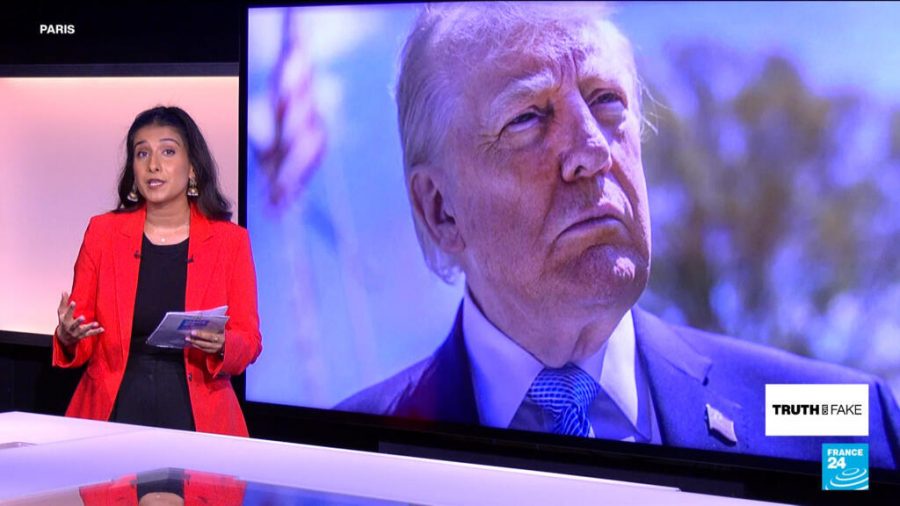
Supreme Court Ruling Upholds Birthright Citizenship
The United States Supreme Court has delivered a definitive ruling affirming birthright citizenship, a significant legal precedent that counters former President Donald Trump’s long-standing claims about the issue. The decision clarifies that children born on American soil are citizens, irrespective of their parents’ immigration status, thereby reinforcing a constitutional principle that has been in place for over a century.
Background on Birthright Citizenship
Birthright citizenship, enshrined in the 14th Amendment of the U.S. Constitution, has been a contentious topic in American politics, particularly during Trump’s presidency. The amendment states, “All persons born or naturalized in the United States, and subject to the jurisdiction thereof, are citizens of the United States and of the State wherein they reside.” This provision has led to ongoing debates about its interpretation and application, especially in the context of immigration reform.
Trump’s Claims and Their Implications
Throughout his political career, Trump has repeatedly called for an end to birthright citizenship, claiming it encourages illegal immigration and results in widespread abuse of the system. He has made statements suggesting that the United States is one of the few countries that offers this legal right, a notion that is factually incorrect. In reality, several countries, including Canada and most of Latin America, also grant citizenship based on birthplace.
The Supreme Court’s Decision
The Supreme Court’s ruling serves as a critical reminder of the legal foundations underpinning citizenship in the United States. The justices emphasized that the Constitution’s language is clear and unambiguous regarding the citizenship rights of children born in the country. This landmark decision effectively nullifies Trump’s assertions and highlights the importance of adherence to constitutional principles in the face of political rhetoric.
Implications of the Ruling
With this ruling, the Supreme Court not only protects the rights of children born in the United States but also reinforces the idea that citizenship should not be contingent upon the immigration status of one’s parents. Legal experts have noted that this decision could have far-reaching implications for immigration policy and the treatment of undocumented families in the U.S. It challenges the narrative pushed by some political figures that birthright citizenship is a loophole that needs to be closed.
Public Reaction and Future Outlook
The public response to the ruling has been mixed, with advocates for immigrant rights celebrating the decision as a victory for justice and equality. On the other hand, opponents of birthright citizenship have expressed disappointment, suggesting that the ruling will perpetuate what they view as an unsustainable immigration system. As the political landscape continues to evolve, the implications of this ruling could influence future legislative discussions surrounding immigration reform and citizenship rights.
Conclusion
The Supreme Court’s recent decision marks a pivotal moment in the ongoing debate over birthright citizenship in the United States. It not only challenges the validity of Trump’s claims but also reaffirms the legal protections afforded to children born in the country. As the nation grapples with immigration issues, this ruling serves as a reminder of the enduring legacy of the 14th Amendment and the importance of protecting the rights of all individuals, regardless of their background.