Global Tech Stocks Plunge Amid Rising AI Investments and Interest Rates
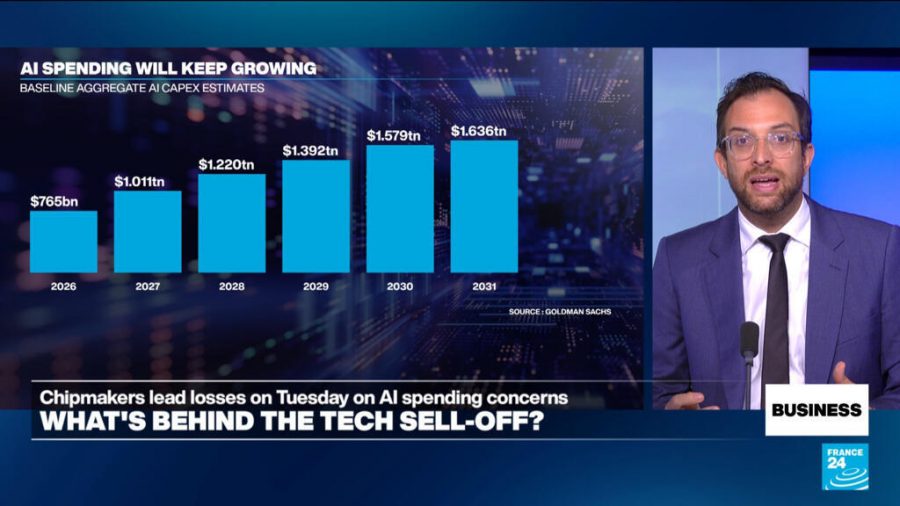
On Tuesday, tech stocks around the globe experienced a significant downturn, with the Nasdaq index, a barometer for the technology sector, closing 2.2 percent lower. This sell-off has left many investors and analysts questioning the underlying factors driving this trend, particularly as massive projected capital expenditures on artificial intelligence (AI) and the looming threat of increased interest rates come into play.
The AI Spending Boom
As companies race to integrate AI into their business models, projected capital expenditures are skyrocketing. Industry giants such as Google, Microsoft, and Amazon are investing billions into AI research and infrastructure, creating an unprecedented wave of spending that is reshaping the tech landscape.
This aggressive investment strategy, while aimed at fostering innovation and maintaining competitive advantage, has raised concerns among investors. Many are now questioning the sustainability of such high spending levels, especially in light of economic uncertainties. With companies pouring resources into AI development, there is a fear that profit margins may be squeezed in the short term.
Interest Rates on the Rise
Compounding the issue, central banks around the world are signaling the possibility of higher interest rates in the coming months. The Federal Reserve in the United States, for instance, has been vocal about its commitment to tackling inflation, which may necessitate further rate hikes. Higher interest rates typically translate into increased borrowing costs for businesses and consumers alike, which can stifle investment and spending.
This prospect has a direct impact on tech stocks, as many of these companies rely heavily on borrowed capital for expansion and innovation. Investors are wary that higher interest rates could lead to decreased growth rates for tech firms, prompting them to sell off shares in anticipation of a downturn.
Market Reactions and Investor Sentiment
Following the tech sell-off on Tuesday, market analysts observed a cautious sentiment among investors. Many are reassessing their portfolios, particularly in the tech sector, which has previously been viewed as a safe haven for growth amid economic volatility.
As stocks fell, some investors began to shift their focus toward more traditional industries, seeking stability in companies less affected by the rapid shifts in technology and interest rates. This pivot may indicate a broader trend in the market where investors prioritize risk management over aggressive growth strategies.
Spain’s Innovative Climate Leave Policy
Amidst the turmoil in the tech sector, Spain has launched a pioneering climate leave policy aimed at fostering environmental responsibility among its workforce. This initiative allows employees to take time off from work to engage in environmental activities, such as tree planting or participating in sustainability projects. This forward-thinking approach not only addresses climate change but also reflects a growing trend of corporate responsibility that resonates with a socially conscious workforce.
As Spain leads the way in integrating climate initiatives into labor policies, it raises questions about how other countries might adopt similar measures, particularly in the context of the global push for sustainability. The juxtaposition of such innovative policies against the backdrop of the tech sell-off highlights the varying dynamics at play in the global economy.
Conclusion: Navigating a Complex Economic Landscape
The recent sell-off in tech stocks serves as a reminder of the complexities of the current economic landscape. As companies invest heavily in AI and face the reality of rising interest rates, investors are left to navigate a challenging environment marked by uncertainty. While the tech sector has been a beacon of growth, the recent downturn invites critical reflection on how sustainable this growth truly is and how external factors like interest rates and innovative policies might shape the future.
As we continue to monitor these developments, the world will be watching closely to see how tech companies adapt to this new reality and how market dynamics evolve in response to these pressures.