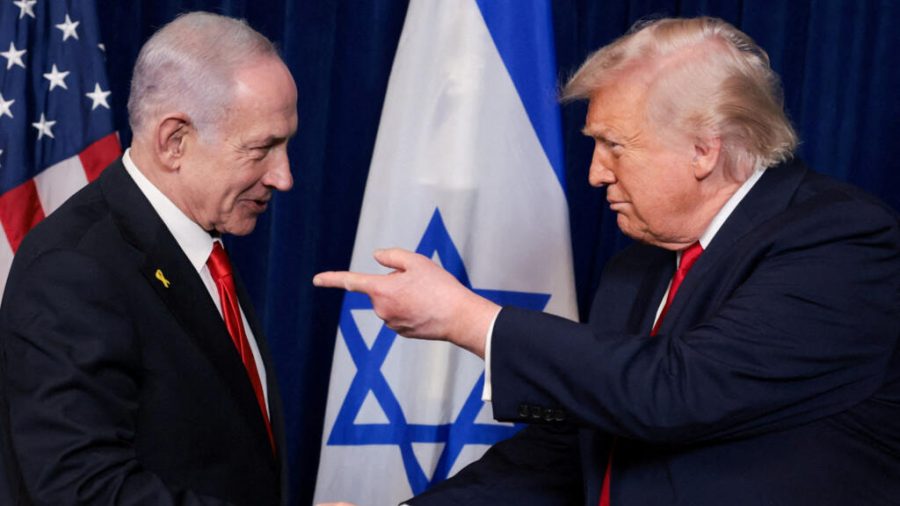
Tensions Rise: The Unlikely Fallout Between Trump and Netanyahu Amid Conflict
In a surprising turn of events, Israel and Iran have exchanged fire for the first time since the ceasefire initiated on June 7, raising concerns about escalating tensions in the region. This military exchange comes despite repeated warnings from U.S. President Donald Trump to Israeli Prime Minister Benjamin Netanyahu against launching strikes on Iranian targets. As the situation unfolds, questions arise about the implications for the relationship between these two key leaders.
Background of the Conflict
The longstanding rivalry between Israel and Iran has been a cornerstone of Middle Eastern geopolitics. Israel considers Iran a significant threat due to its nuclear ambitions and aggressive military posture in the region. For Iran, Israel’s presence and its alliance with the United States represent a direct challenge to its influence and security.
Since the truce was established in June, there had been a relative calm that suggested a potential thaw in hostilities. However, the recent exchange of fire signifies a troubling escalation. Officials from both nations have issued statements, with Israel claiming it acted in self-defense against Iranian aggression, while Iran vehemently denies initiating any conflict.
The Role of the United States
President Trump has maintained a complex relationship with Netanyahu, characterized by support for Israel’s right to defend itself while also advocating for restraint in military actions against Iran. Trump’s administration has often emphasized a diplomatic approach, aimed at curtailing Iran’s influence in the region through sanctions and negotiations.
- Trump’s Warnings: Despite his strong support for Israel, Trump’s warnings against strikes on Iran highlight a nuanced approach that seeks to avoid further escalation.
- Netanyahu’s Position: Facing internal political challenges, Netanyahu may feel pressure to respond aggressively to any perceived threats from Iran.
- Implications for U.S.-Israel Relations: A military confrontation could complicate the U.S.’s position in the region and strain its relations with Israel if it perceives that Netanyahu is not heeding its warnings.
Potential Fallout Between Leaders
Could this exchange of fire signal a rift between Trump and Netanyahu? Analysts suggest that while tensions may rise in the short term, a significant fallout is unlikely. Both leaders share a mutual interest in countering Iranian influence, and their historical alliance is deeply rooted in shared security concerns.
Political analysts argue that the dynamics of international relations are often complex and multifaceted. Although there may be disagreements over tactics, the overarching goals align closely for both Trump and Netanyahu. However, the pressure to act decisively in the face of Iranian aggression could lead to tensions that test their alliance.
Looking Ahead
As the situation develops, it will be crucial to monitor the responses from both leaders. Will Netanyahu heed Trump’s warnings, or will he take a more aggressive stance against Iran? The coming weeks will be pivotal in shaping the future of U.S.-Israel relations amidst an increasingly volatile geopolitical landscape.
The exchange of fire between Israel and Iran is just one of many indicators that the Middle East remains a hotbed of conflict and tension. As global powers navigate their interests in the region, the actions of Trump and Netanyahu will undoubtedly be scrutinized, as their decisions will have lasting implications for regional stability.