Introduction
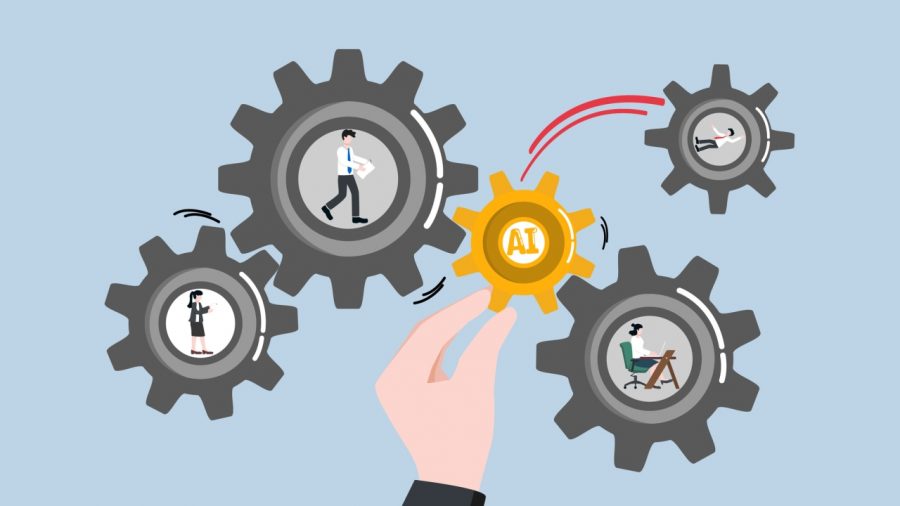
The advent of artificial intelligence (AI) has ignited a heated debate about its implications for the labor market. While many fear mass unemployment due to automation, a closer examination reveals that AI is more likely to reorganize the white-collar corporate workforce rather than obliterate it. This article delves into the nuances of the AI labor crisis, dispelling myths and highlighting the transformation ahead.
Understanding the AI Landscape
Artificial intelligence is not a monolithic force; it encompasses a range of technologies that augment human capabilities. From machine learning to natural language processing, AI tools are already being integrated into various business functions. Contrary to apocalyptic predictions, the reality is that these technologies will not replace jobs wholesale but will instead redefine roles within organizations.
The Myth of Mass Unemployment
One of the most pervasive fears surrounding AI is the potential for widespread job loss. However, historical trends suggest that technological advancements typically lead to the creation of new job categories, even as some roles become obsolete. For instance, the rise of the internet gave birth to jobs in digital marketing, cybersecurity, and e-commerce, while rendering others, like print journalism, less prevalent.
Reorganization Over Elimination
AI’s true impact lies in its ability to reorganize the white-collar workforce. Rather than outright eliminating jobs, AI will streamline processes, enhance productivity, and allow employees to focus on higher-value tasks. This shift will necessitate a reevaluation of job descriptions and skills, fostering an environment where adaptability becomes crucial.
Embracing Change: The Skills Shift
As AI continues to evolve, so too must the skill sets of the workforce. Companies will increasingly seek employees who can work alongside AI tools, leveraging them for decision-making and strategic planning. Here’s a look at some key skills that will be in demand:
- Analytical Skills: The ability to interpret data and derive actionable insights will be paramount in a data-driven world.
- Technical Proficiency: Familiarity with AI systems and software will be crucial as businesses integrate these tools into their operations.
- Creativity and Problem-Solving: As routine tasks are automated, employees will need to channel their creativity to tackle complex challenges.
- Emotional Intelligence: With AI taking over certain tasks, the human touch in client interactions and team dynamics will remain irreplaceable.
Corporate Adaptation Strategies
Organizations must proactively embrace this transformation to remain competitive. Here are some strategies companies can adopt:
- Invest in Training: Provide ongoing education and training programs to equip employees with the necessary skills to thrive alongside AI.
- Foster a Culture of Innovation: Encourage employees to experiment with new ideas and technologies, fostering an environment where innovation is celebrated.
- Focus on Diversity: Diverse teams bring different perspectives, which can enhance creativity and problem-solving capabilities in an AI-driven workplace.
The Future of Work
As we navigate the complexities of AI integration in the workforce, it is essential for both employees and employers to embrace change. By focusing on reorganization rather than elimination, businesses can harness the potential of AI to create a more efficient and innovative workplace. Rather than fearing a labor crisis, we should prepare for a future where humans and machines collaborate to achieve unprecedented levels of productivity and creativity.
Conclusion
The narrative surrounding AI and employment is evolving. While concerns about mass unemployment remain prevalent, the reality is that AI will lead to a reorganization of the workforce rather than its destruction. By investing in skills development and fostering a culture of adaptability, we can ensure that the future of work is one where technology serves as an ally rather than an adversary.