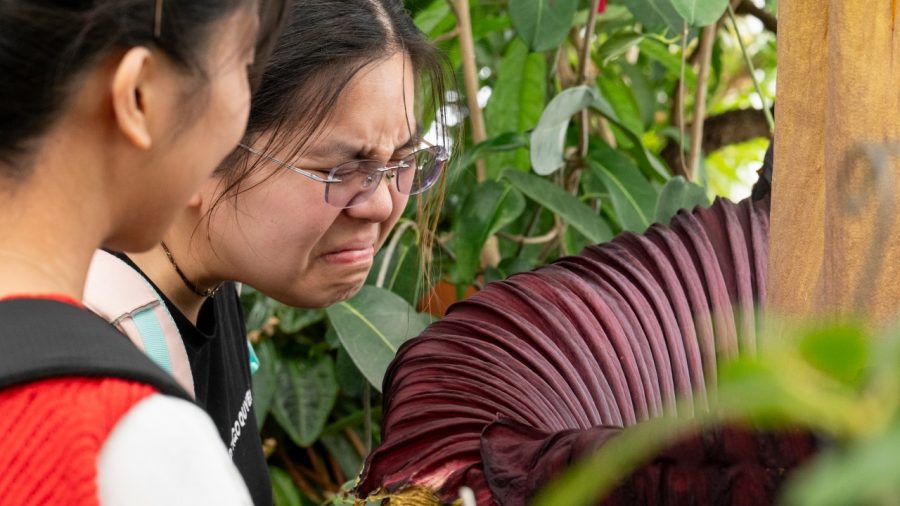
The Enigmatic Corpse Flower Blooms
In the world of botany, few plants evoke as much fascination and repulsion as the infamous corpse flower, known scientifically as Amorphophallus titanum. Renowned for its pungent odor reminiscent of rotting flesh, this rare bloom captivates the senses and attracts crowds eager to experience its unique olfactory event.
A Long Wait for a Short Bloom
The corpse flower is notorious for its lengthy growth cycle, often taking years to bloom. Gardeners and botanists alike can spend a decade nurturing these plants, only for them to flower for a mere 24 to 48 hours. This fleeting window creates a sense of urgency among plant enthusiasts and curious visitors alike, leading to long lines at botanical gardens where these behemoths are on display.
The Allure of the Odor
Despite its off-putting scent, which can be likened to that of decomposing animals, the corpse flower’s bloom is a spectacle that many do not want to miss. The aroma, a key part of its reproductive strategy, serves to attract pollinators such as carrion beetles and flies, which are drawn to the smell of decay. This fascinating evolutionary trait is what makes the corpse flower both a scientific wonder and a tourist attraction.
Where to Experience the Bloom
Across the globe, botanical gardens eagerly await the rare blooming of their corpse flowers. In recent years, facilities from the United States to Europe have reported massive turnout during bloom events. Many enthusiasts keep tabs on social media and garden websites, anxiously awaiting updates on the flowering status of these extraordinary plants. Here are a few notable places where you can catch a whiff:
- New York Botanical Garden: Home to one of the largest collections of corpse flowers in the U.S.
- Conservatory of Flowers in San Francisco: This historic landmark frequently hosts corpse flower events.
- Royal Botanic Gardens, Kew: Located in London, Kew Gardens is known for its biodiversity and rare blooms.
What to Expect During the Bloom
Visitors to a corpse flower bloom can expect more than just the smell. The event often includes educational talks about the plant’s biology, its habitat, and its role in the ecosystem. Many botanical gardens also provide live streaming of the bloom for those unable to attend in person, allowing a wider audience to witness the remarkable flower as it unfurls its petals and releases its distinctive scent.
A Unique Community Experience
The collective experience of waiting for the bloom and sharing the moment with fellow enthusiasts is part of the allure. Social media plays a pivotal role, with visitors sharing their experiences and reactions, making the event a communal celebration of nature’s wonders. The corpse flower has transcended its role as a mere plant; it has become a phenomenon, bringing people together in their curiosity and appreciation for the natural world.
Conclusion: A Smell Like No Other
As the corpse flower continues to bloom sporadically across the globe, it invites people to delve into the complexities of nature and the interplay between attraction and repulsion. This remarkable plant serves as a reminder of the beauty and eccentricities that exist in our world, and it proves that sometimes, the most extraordinary experiences come from the most unexpected sources. Whether you’re a botanist, a curious visitor, or simply someone looking for a unique experience, witnessing the bloom of the corpse flower is an event that is likely to linger in your memory long after the smell has faded.