The Growing Shortage of Essential Medications
In recent months, patients across the country have faced an alarming reality: the medications they depend on for managing chronic conditions are becoming increasingly difficult to obtain. From heart disease to mental health disorders, the shortage of everyday medicines is impacting lives and raising serious concerns about healthcare accessibility.
Understanding the Scope of the Shortage
The shortage of medications is not a new phenomenon, but its severity has escalated dramatically. According to recent reports, hundreds of essential drugs are experiencing significant supply challenges. These include treatments for a variety of health issues, such as:
- Heart problems
- Stroke prevention
- Eye infections
- Bipolar disorder
Patients who rely on these medications are often left in a state of confusion and distress, unsure of where to turn for the treatments they need.
Factors Contributing to the Crisis
Several factors contribute to the ongoing medication shortages. Supply chain disruptions caused by the COVID-19 pandemic have played a major role, with many manufacturers struggling to keep up with demand. Additionally, raw material shortages and regulatory hurdles have compounded the issue, leaving patients vulnerable.
Moreover, the consolidation of pharmaceutical companies has led to a decrease in the number of manufacturers for many essential drugs, creating a bottleneck effect. When one company faces production issues, the entire supply chain is affected, leading to nationwide shortages.
Impact on Patients
The consequences of these shortages are profound. Patients who cannot access their medications may experience severe health repercussions. For individuals with chronic conditions such as heart disease or bipolar disorder, disruptions in treatment can lead to deteriorating health and increased hospitalizations.
Take, for instance, the case of Sarah, a 34-year-old woman living with bipolar disorder. After her medication became unavailable, she found herself struggling with mood swings and anxiety, ultimately leading to a hospital visit. “I never thought I would have to fight to get the medication I need just to feel normal,” she shared.
Community Response and Solutions
In response to the crisis, healthcare providers and advocacy groups are working diligently to find solutions. Some are exploring alternative medications that may be available, while others are lobbying for policy changes to streamline the production and distribution of essential drugs.
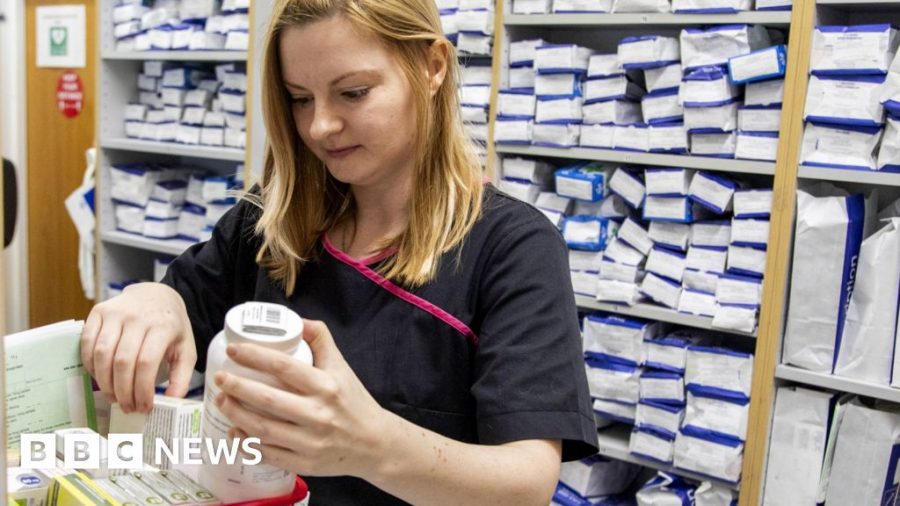
Local pharmacies are also stepping up to help patients navigate this challenging landscape. Many are providing personalized consultations to help individuals identify alternative treatments or connect with manufacturers directly. However, these solutions are often temporary and highlight the need for systemic change.
The Path Forward
As the nation grapples with this pressing issue, it is essential for policymakers to prioritize the stabilization of the pharmaceutical supply chain. This includes incentivizing manufacturers to produce a wider array of medications and ensuring that regulatory processes do not hinder timely access to essential drugs.
For patients, staying informed is crucial. Engaging with healthcare providers about medication availability and exploring alternative therapies can make a significant difference. As the healthcare community rallies to tackle this crisis, the focus must remain on ensuring that all patients have access to the medications they need to maintain their health and well-being.
Conclusion
The ongoing shortage of everyday medicines presents a significant challenge for patients across the country. By understanding the factors contributing to this crisis and advocating for systemic change, we can work toward a future where access to essential medications is not a luxury, but a fundamental right.