The Evolving Meaning of ‘Decimate’
The word “decimate” has undergone a significant transformation from its origins in ancient Rome to its current usage in contemporary language. While today it is commonly understood as a synonym for “destroy,” the historical roots of the term reveal a more nuanced meaning that reflects its complex journey through time.
Historical Origins
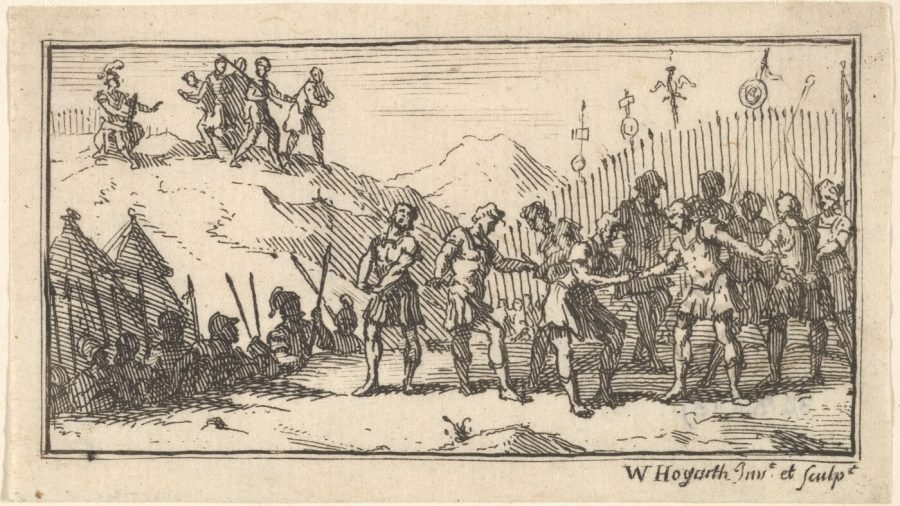
In ancient Rome, the term “decimate” derived from the Latin word “decimare,” which means “to take a tenth.” This practice was initially implemented as a form of military discipline. When a Roman army faced severe failure or mutiny, one-tenth of the soldiers would be executed as a punishment to restore order and instill fear among the ranks. This brutal tactic served to reinforce authority and maintain control over the troops.
From Punishment to Destruction
Over the centuries, the meaning of “decimate” evolved. By the 17th century, it began to be associated more broadly with destruction rather than the specific act of killing one-tenth of a group. This shift reflects a broader trend in language where words morph in response to changing cultural contexts and societal values. Today, when we say something has been “decimated,” we often imply that it has been severely damaged or destroyed, regardless of its original numerical context.
Modern Usage
In modern discourse, the term is frequently used in various contexts, from describing the devastation of natural disasters to the widespread damage caused by war. For instance, headlines may declare that a hurricane has “decimated” a coastal town, or that a pandemic has “decimated” the workforce. In these instances, the term captures the profound impact of such events, emphasizing the scale and severity of the destruction.
The Shift in Perception
This semantic drift raises interesting questions about how language reflects our perceptions of violence and destruction. The original sense of “decimation” as a calculated form of punishment contrasts sharply with its current usage, which often lacks the precision of its historical roots. As society has evolved, so too has our tolerance for violence and our understanding of destruction.
Cultural Reflections
Moreover, the shift in the meaning of “decimate” can be seen as a reflection of our contemporary culture’s propensity for hyperbole. In an age where sensationalism often dominates media narratives, the word is sometimes used to exaggerate the extent of damage or loss. This raises concerns about desensitization to violence and the trivialization of its consequences.
The Importance of Understanding Origins
Understanding the origins and evolution of words like “decimate” is crucial for several reasons. It helps us appreciate the rich tapestry of language and its ability to adapt over time. Additionally, recognizing the historical context can foster a deeper understanding of current events and the language we use to describe them.
Conclusion
As we navigate an increasingly complex world, being aware of the evolution of language allows us to communicate more effectively and thoughtfully. The word “decimate” serves as a poignant example of how meanings can shift dramatically over time, reflecting changes in societal values and cultural perceptions. Embracing this knowledge enriches our discussions and helps us articulate the gravity of the human experience in the face of destruction.