Climate Change: A Multifaceted Crisis
As the planet continues to warm, the repercussions of climate change extend far beyond environmental degradation. Prolonged heatwaves are not just an ecological issue; they are a profound public health and social dilemma. The impacts of rising temperatures affect communities worldwide, but studies reveal that women are disproportionately bearing the brunt of these changes.
The Link Between Heat and Domestic Violence
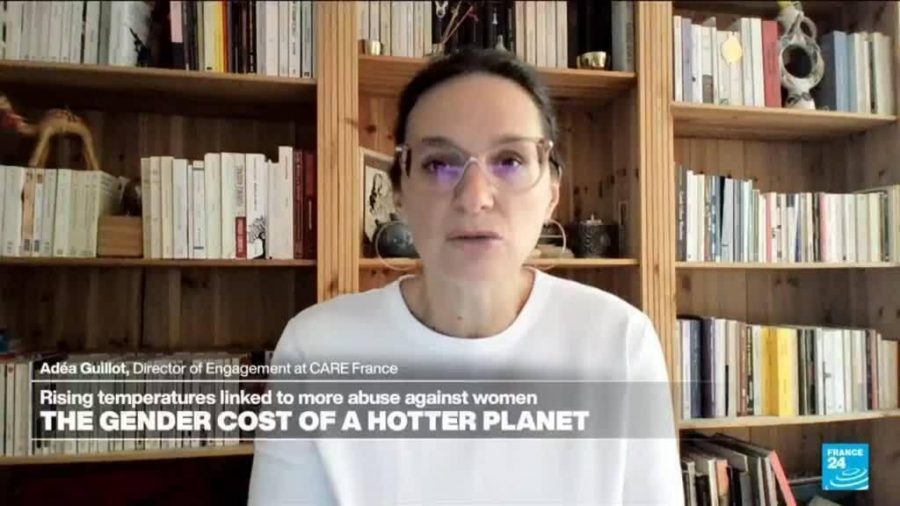
One alarming statistic highlights this troubling trend: for every 1°C rise in temperature, incidents of domestic violence increase by 4.7%. This correlation underscores a critical intersection of climate change and gender-based violence that demands urgent attention. To better understand this issue, we spoke with Adéa Guillot, the Director of Engagement at CARE France, an organization focused on alleviating global poverty and promoting social justice.
Understanding the Data
Guillot explains that the rise in domestic violence is often exacerbated by the stressors associated with extreme heat. “In many cultures, the home is seen as the sanctuary, but when that environment becomes unbearable due to heat, tensions can rise,” she states. This dynamic is particularly concerning in low-income households where resources are limited, and coping mechanisms may be insufficient.
Health Implications for Women
Beyond the social ramifications, prolonged heat exposure poses significant health risks, particularly for women. Heatwaves can lead to dehydration, heat exhaustion, and even heatstroke, disproportionately affecting pregnant women and those with pre-existing health conditions. According to the World Health Organization, women are also more likely to face barriers in accessing healthcare during heatwaves, which can exacerbate these health risks.
Socioeconomic Factors at Play
The socioeconomic implications of climate change further compound the problem. Women often have fewer economic resources and less access to education and employment opportunities, making it harder for them to adapt to changing climate conditions. In many developing countries, women are responsible for gathering food and water, tasks that become increasingly daunting as climate change intensifies droughts and other extreme weather events.
Call to Action
Guillot emphasizes the need for comprehensive strategies to address these issues. “We need to create policies that not only aim to combat climate change but also prioritize women’s rights and safety,” she asserts. Organizations like CARE France are working towards this by advocating for gender-sensitive climate policies that acknowledge and address the unique challenges faced by women.
Community Resilience and Empowerment
Building community resilience is another critical aspect of addressing the challenges posed by climate change. Empowering women through education and resources can significantly improve community adaptability. Programs that focus on equipping women with skills in sustainable agriculture, water management, and health care can transform the ways communities respond to climate stressors.
Conclusion: A Shared Responsibility
The intersection of climate change and gender-based violence is a pressing issue that requires immediate action. As the planet continues to warm, recognizing and addressing the unique vulnerabilities faced by women is essential for creating a sustainable and equitable future. Policymakers, organizations, and communities must come together to ensure that women are not only protected but empowered in the face of climate change.