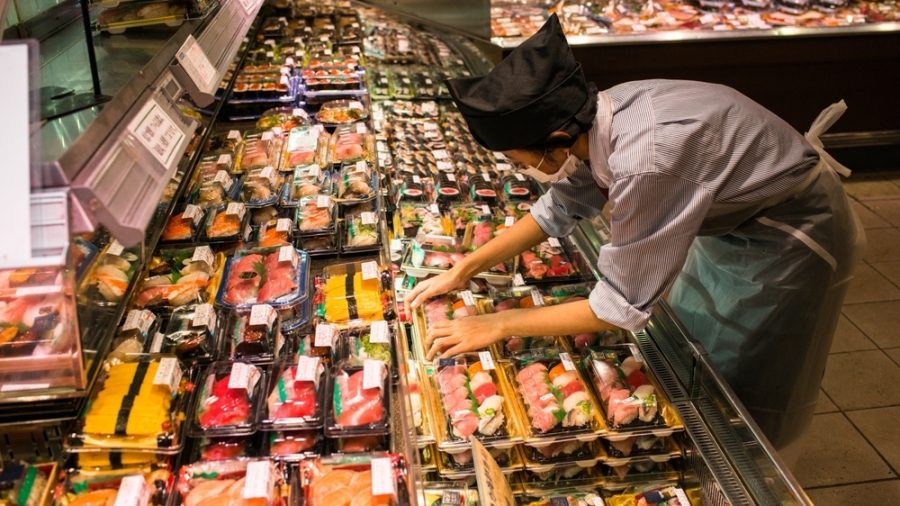
The $2.4 Billion Grocery Sushi Industry: A Closer Look
The grocery sushi industry, a burgeoning sector worth $2.4 billion, has quickly become a staple in supermarkets across the United States. However, beneath the glossy exterior of fresh rolls and vibrant displays lies a troubling reality for the workers behind this culinary convenience. A recent lawsuit has brought to light the harsh conditions faced by employees in this fast-paced environment, revealing a darker side to the sushi you may find in your local grocery store.
Background of the Industry
As sushi has grown in popularity, grocery stores have increasingly turned to in-house production to capitalize on consumer demand for fresh, convenient meals. With the allure of sushi leading to higher sales, many chains have invested heavily in creating sushi stations within their stores. This has led to a surge in employment opportunities for sushi chefs and production staff. However, this rapid expansion has come at a cost.
Workers Speak Out
In a groundbreaking lawsuit filed against a major grocery chain, former employees have come forward to describe their challenging experiences in the industry. According to the plaintiffs, workers are often subjected to grueling hours, inadequate breaks, and insufficient training, leading to a high-pressure work environment. Many have reported incidents of workplace injuries, including cuts and burns, that have gone unaddressed by management.
The Lawsuit Unveiled
The lawsuit claims that the grocery chain violated labor laws by failing to provide a safe working environment and neglecting to pay overtime wages. Workers allege that they were often required to work long shifts, sometimes exceeding 12 hours, without proper compensation. Furthermore, the suit highlights that many employees were unaware of their rights and did not receive proper training on safety protocols, putting them at further risk.
Impact on Workers’ Lives
The repercussions of these working conditions extend beyond the workplace. Many workers report experiencing physical and mental health issues due to the demands of their job. The constant pressure to produce high-quality sushi quickly has led to burnout and anxiety among employees. “We love making sushi, but the conditions are unbearable,” one former employee stated. “It shouldn’t be like this. We deserve better.”
Industry Response
In response to the lawsuit, representatives from the grocery chain have stated that they are committed to ensuring a safe and fair workplace for all employees. They have pledged to review their training programs and working conditions, although no concrete changes have been detailed. Industry experts suggest that this lawsuit may be a wake-up call for the entire grocery sushi sector, which has largely flown under the radar when it comes to labor practices.
Consumer Awareness
As consumers, it’s essential to be aware of the conditions that produce the food we enjoy. The grocery sushi industry, while convenient, requires a closer examination of the labor practices that support it. Advocates for workers’ rights urge customers to consider the human element behind their meals. “When you pick up a sushi roll, think about the person who made it and the conditions they work under,” one activist stated. “We need to prioritize fair treatment and safe environments for all food workers.”
Conclusion
The $2.4 billion grocery sushi industry is not just about delicious food options; it’s also about the people who make it possible. As this lawsuit sheds light on the struggles faced by workers, it prompts an important conversation about labor practices in the food industry. Addressing these issues is vital for the sustainability of the grocery sushi market and the well-being of its workers. The future of grocery sushi lies not only in its growth but also in the recognition of the essential contributions made by those behind the counter.