The Unseen Consequences of the Ukraine War
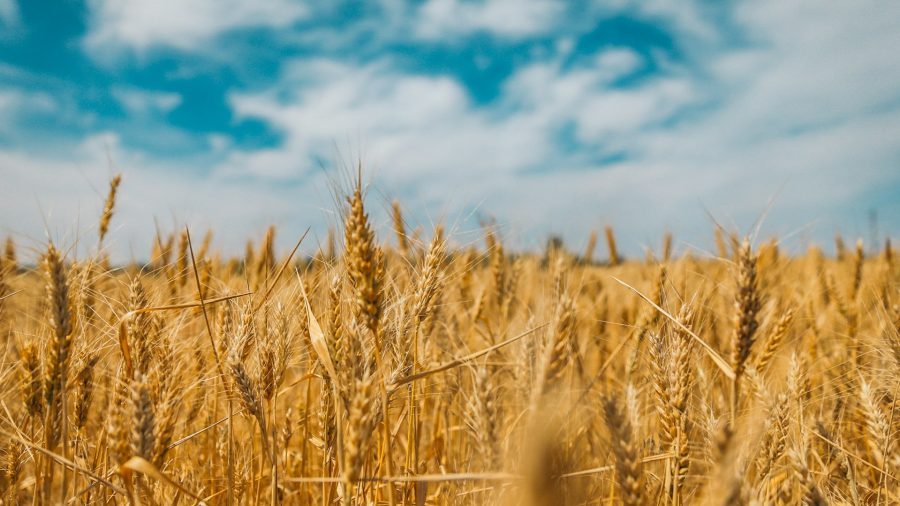
The ongoing war in Ukraine, while seemingly distant for many in Africa, has profound implications for food security across the continent. Ukraine, often referred to as one of the world’s breadbaskets, has played a crucial role in feeding millions of people in Africa, the Middle East, and Asia through its abundant supply of wheat, maize, sunflower oil, and other agricultural products.
Ukraine’s Resilience Amid Conflict
Despite the challenges posed by Russia’s full-scale invasion, including mined fields and attacked ports, Ukraine has managed to continue exporting food. The nation has also initiated the humanitarian “Grain from Ukraine” program to support vulnerable countries in dire need of food assistance. This resilience highlights the critical role Ukraine plays in the global food supply chain.
The Theft of Grain: A Global Concern
The removal of Ukrainian grain from territories occupied by Russia transcends local disputes and raises significant questions about the integrity of the global food system. As stolen grain is moved through various ports, mixed with other cargo, relabeled, and sold internationally, the issue becomes one of fairness, legality, and trustworthiness. Each shipment of grain is not just a commodity; it represents a farmer’s labor, a contract, and a complex network of logistics.
- Impact on Maritime Trade: The theft of grain contributes to a climate of uncertainty in maritime trade, jeopardizing confidence for nations reliant on transparent food supply routes.
- Statistics of Theft: Ukrainian authorities report that over two million tonnes of grain were removed from temporarily occupied territories in 2025 alone. From January to April, 25 vessels made approximately 50 voyages transporting over 850,000 tonnes of grain.
- Methods of Concealment: The tactics employed to obscure the origin of stolen grain include transferring cargo at sea, mixing it with non-controversial shipments, and using deceptive documentation.
A Troubling Case: The ASOMATOS Incident
One notable case that has raised alarms in Kyiv involved the vessel ASOMATOS, which was reportedly allowed to unload 26,900 tonnes of Ukrainian wheat in Abu Qir, Egypt, despite Ukrainian protests and legal requests for assistance. This incident exemplifies how stolen Ukrainian grain can infiltrate international markets through conventional commercial channels, further complicating the situation.
A Historical Perspective
For Ukraine, the issue of grain theft is not merely an economic concern; it carries a painful historical significance. The memory of the Holodomor, a man-made famine in the early 1930s that resulted in the deaths of millions of Ukrainians, looms large. During that tragic period, grain was confiscated from Ukrainian villages while people starved, creating a lasting trauma that resonates to this day.
Conclusion: A Call for Global Awareness
The ramifications of stolen Ukrainian grain extend far beyond its borders, impacting food security in Africa and other regions dependent on stable grain supplies. As the world grapples with the complexities of this ongoing conflict, it is essential to recognize the interconnectedness of global food systems and the urgent need for accountability and transparency in agricultural trade.