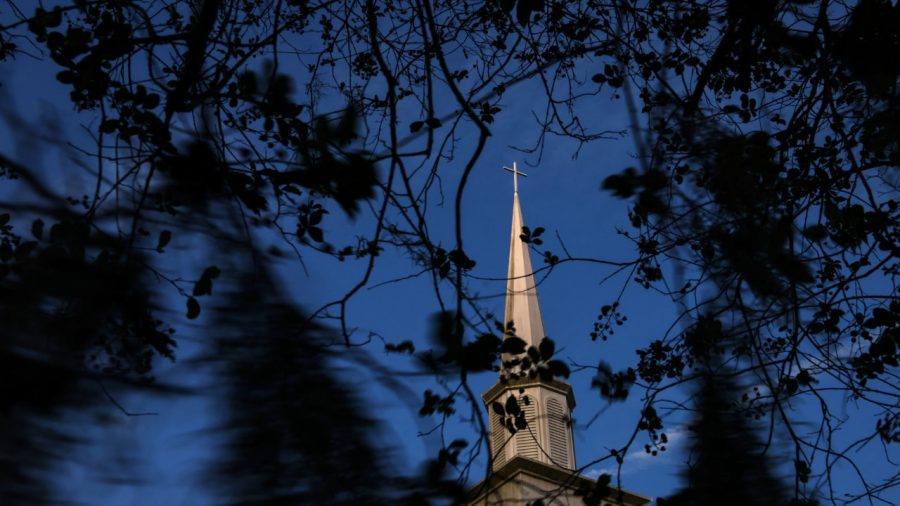
The Liberal Influence on Mainline Churches: A Critical Examination
The intersection of faith and politics has long been a contentious issue within the realm of organized religion. In recent years, many mainline churches have increasingly aligned themselves with progressive political movements, leading to a growing concern among traditionalists about the implications of this shift.
Historical Context of Mainline Churches
Mainline churches, which include denominations such as the United Methodist Church, the Episcopal Church, and the Presbyterian Church (USA), have historically played a significant role in shaping American societal values. Founded on principles of social justice and community service, these churches were once bastions of moderate to conservative theological thought. However, over the past few decades, many have adopted more liberal stances on issues ranging from gender equality to environmental stewardship.
The Shift Towards Progressivism
The movement towards liberalism within these congregations can be traced back to a series of social upheavals in the 1960s and 1970s, which challenged traditional norms and values. As society became more accepting of progressive ideas, some church leaders began to embrace these changes, viewing them as necessary adaptations to remain relevant. This shift was marked by a focus on inclusivity, diversity, and social justice, often at the expense of core theological doctrines.
Criticism from Traditionalists
Critics argue that this liberal hijacking of mainline churches has diluted the foundational teachings of Christianity. Many traditionalists believe that Christ’s message was not intended to be intertwined with progressive political agendas or environmentalism. Instead, they advocate for a return to the spiritual roots of Christianity, emphasizing the importance of individual salvation and the authority of scripture.
- Concerns Over Theology: Many traditionalists are concerned that the embrace of progressive values leads to a departure from biblical teachings.
- Impact on Congregations: The shift towards liberalism has resulted in declining membership numbers in many mainline churches, as disillusioned congregants seek out more theologically conservative alternatives.
- Religious Identity Crisis: The blending of politics with faith has sparked debates about what it means to be a Christian in today’s society.
The Role of Leadership
The leadership within these churches plays a crucial role in shaping the direction of their congregations. Many clergy have openly aligned themselves with liberal causes, advocating for policies that reflect their progressive beliefs. This has led to tensions within congregations, as members grapple with differing views on the role of the church in societal issues.
Future Implications
The ongoing liberalization of mainline churches raises important questions about their future. Will these congregations continue to attract new members, or will the shift towards progressive politics alienate traditional believers? As society continues to evolve, the challenge for these churches will be to find a balance between remaining relevant in a changing world while holding true to their core beliefs.
In conclusion, the liberal hijacking of mainline churches presents a complex dilemma. While the intention may be to foster inclusivity and social justice, there is a growing concern that these efforts are undermining the theological foundations upon which these institutions were built. The path forward for mainline churches will require careful navigation of these challenging waters, balancing the demands of a progressive society with the enduring truths of Christian faith.