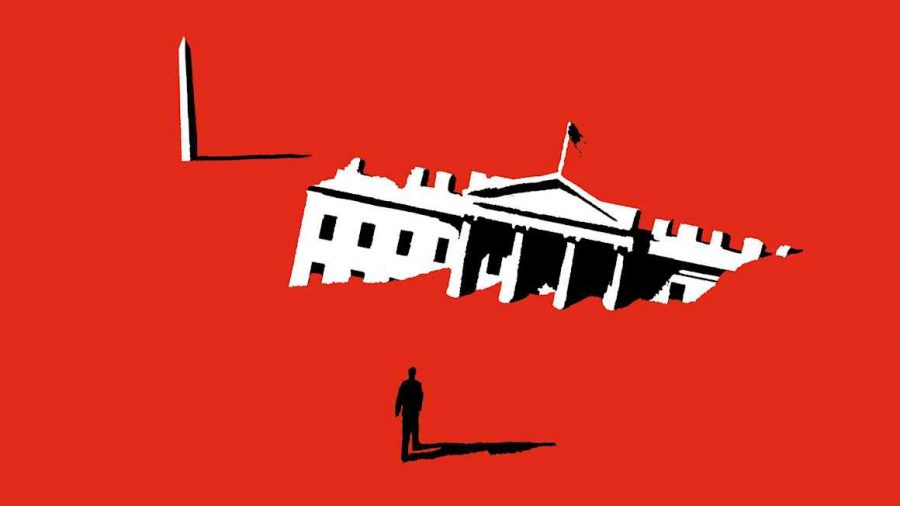
The Obama Library’s Opening: A Nostalgic Look at Politics Past
The recent inauguration of the Obama presidential library has sparked a wave of nostalgia, reminding many of a political era marked by hope and progress. However, as the nation reflects on this past, it becomes increasingly clear that a return to pre-Trumpian politics is not a viable path forward for America.
A Moment of Reflection
As visitors flock to the new library in Chicago, they’re greeted not only by the legacy of President Barack Obama but also by a contrasting backdrop of the current political landscape. The opening ceremony featured speeches that celebrated teamwork, unity, and the power of democracy—values that seem to have been overshadowed in recent years.
This moment of reflection has rekindled discussions about whether America can return to the political norms established before Donald Trump’s presidency. Many long for the days when political discourse was characterized by civility rather than division. Yet, as we navigate the current climate, it’s essential to acknowledge that the landscape has irrevocably changed.
The Illusion of a Return
The yearning for a return to pre-Trump politics often overlooks the complexities of the current environment. The Obama administration was a time when bipartisan cooperation was still possible, and many believed that progress was achievable through dialogue and understanding. However, the rise of populism and the fragmentation of the electorate have transformed the political conversation, making it clear that a simple return to the past is unrealistic.
Moreover, the nostalgia surrounding the Obama era can sometimes gloss over the challenges that his administration faced, including economic turmoil, foreign policy dilemmas, and social justice debates. While there were significant achievements, such as the Affordable Care Act, the reality was also marked by significant political opposition and discontent.
Embracing Change for the Future
Instead of longing for a bygone era, it may be time for Americans to embrace change and adapt to the evolving political landscape. This involves recognizing that the issues facing the nation today—such as climate change, economic inequality, and systemic racism—require innovative solutions that may not fit neatly into traditional political frameworks.
- Climate Change: The urgency of addressing climate change demands bold action, transcending partisan divides.
- Economic Inequality: The growing gap between the wealthy and the poor necessitates policies that prioritize equity and opportunity for all.
- Systemic Racism: The ongoing struggles for racial justice call for a reexamination of societal structures and a commitment to meaningful reform.
By focusing on these pressing issues, Americans can work together to forge a new path forward, one that acknowledges the lessons of the past while striving for a more inclusive future. This proactive approach can foster a renewed sense of civic responsibility and community involvement, essential elements for rebuilding trust in the political system.
Conclusion: Moving Beyond Nostalgia
The opening of the Obama presidential library serves as a poignant reminder of the aspirations many have for a better political climate. However, returning to the past is not the solution; instead, it is crucial to confront current realities head-on. By embracing change and fostering collaboration, Americans can navigate the complexities of modern governance and work towards a more equitable and just society.