The Ongoing US-Iran Tensions
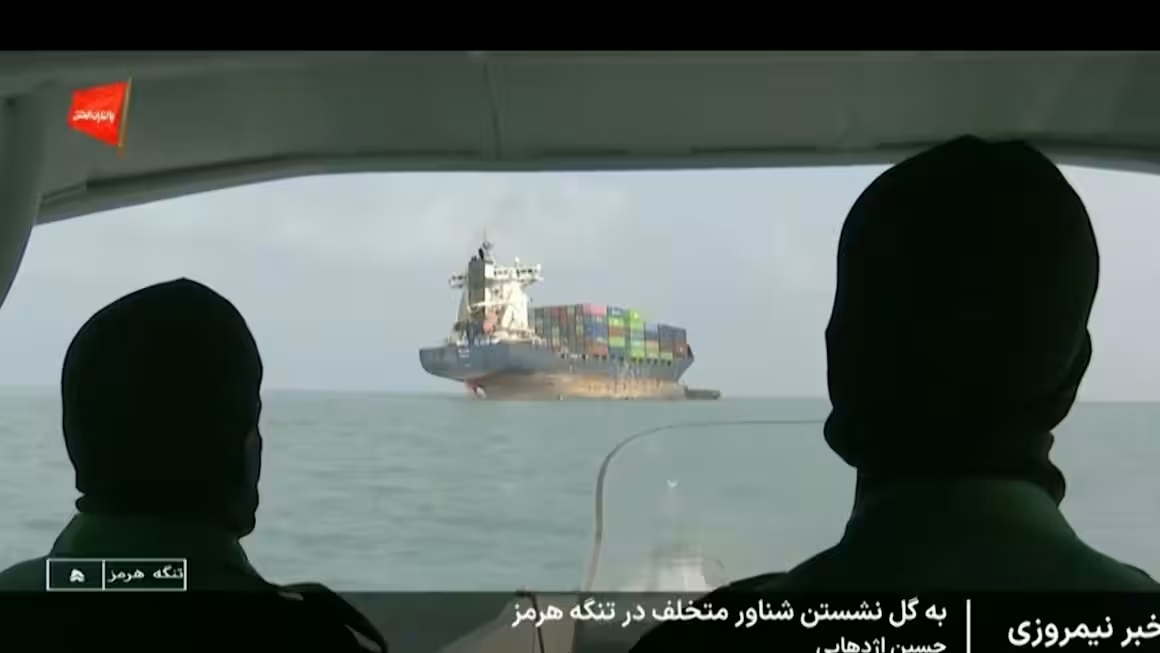
The geopolitical landscape between the United States and Iran continues to be fraught with tension, as both countries find themselves entrenched in a relentless cycle of tit-for-tat strikes. The critical choke point of the Strait of Hormuz has emerged as a flashpoint, where U.S. initiatives to ensure maritime security clash with Iran’s steadfast refusal to relinquish its influence.
The Strategic Importance of the Strait of Hormuz
The Strait of Hormuz is a vital waterway through which approximately 20% of the world’s oil supply passes. Control over this strait is not just a matter of economic significance; it is also a question of national pride and geopolitical strategy for both the U.S. and Iran. For the U.S., maintaining a presence in this region is crucial for safeguarding its allies and ensuring the free flow of trade. In contrast, Iran views the strait as a symbol of its sovereignty and a critical asset in its broader regional ambitions.
Trump’s Maritime Strategy
During former President Donald Trump’s administration, a concerted effort was made to enhance U.S. naval operations in the Gulf. Trump’s strategy involved deploying additional naval forces to the region, aiming to secure shipping lanes and deter Iranian aggression. This military posture, however, has often been met with Iranian resistance, leading to a series of confrontations that have escalated tensions.
Iran’s Response: A Show of Force
In response to U.S. naval maneuvers, Iran has consistently demonstrated its willingness to assert its control over the Strait of Hormuz. This has included a range of military actions—from the seizure of foreign vessels to missile tests that signal Tehran’s readiness to defend its territorial waters. Such acts are not only defensive but serve as a warning to the U.S. and its allies about the limits of their influence in the region.
The Cycle of Retaliation
The dynamics of retaliation have created a feedback loop between the two nations. Each U.S. action aimed at curbing Iranian power is met with a corresponding Iranian response, further entrenching both parties in a cycle of aggression. This tit-for-tat strategy has not only heightened military tensions but has also complicated diplomatic efforts aimed at de-escalation.
The Impact on Global Oil Markets
The ongoing strife has significant implications for global oil markets. As tensions rise, the threat of disruption in the Strait of Hormuz looms large, prompting fluctuations in oil prices that can reverberate across the global economy. Investors and governments alike are closely monitoring the situation, aware that any conflict in the region could lead to a spike in oil prices and economic instability worldwide.
International Reactions
The international community has expressed concern over the escalating tensions. European nations, in particular, have called for dialogue and restraint, emphasizing the need for a diplomatic solution to prevent military confrontation. However, the U.S. and Iran remain locked in their respective narratives, each viewing the other as a primary adversary in the region.
The Path Forward
As both nations navigate this precarious landscape, the prospect of a resolution seems distant. While diplomatic channels remain open, the historical animosities and entrenched positions pose significant barriers to meaningful dialogue. The cycle of strikes and retaliation continues, leaving both countries—and the world—on edge.
Conclusion
The situation between the U.S. and Iran exemplifies the complexities of modern geopolitics, where national interests, regional power dynamics, and historical grievances converge. As long as both nations remain unwilling to compromise, the cycle of conflict is likely to persist, with implications that extend far beyond the Strait of Hormuz.