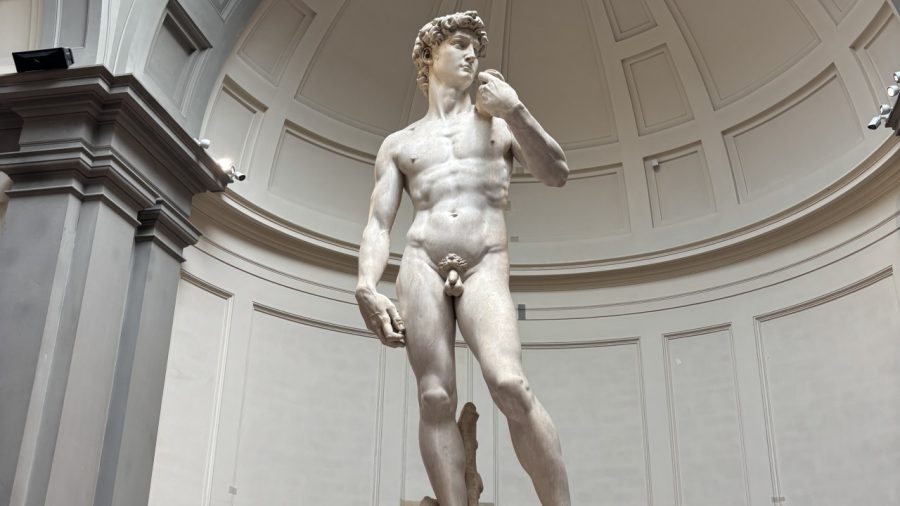
Michelangelo’s David stands as a testament to the artistic genius of the Renaissance, captivating viewers with its stunning beauty and intricate details. This iconic sculpture, along with Michelangelo’s unfinished works, evokes a deep sense of awe and inspiration, reminding us of the enduring power of human creativity.
The Legacy of Michelangelo
Born in 1475, Michelangelo Buonarroti emerged as one of the quintessential artists of the Renaissance period. His contributions to the arts extend beyond sculpture; he was also a renowned painter and architect. However, it is his sculptures, particularly David, that have secured his legacy as one of the greatest artists in history.
A Closer Look at David
Completed in 1504, Michelangelo’s David stands over 17 feet tall, carved from a single block of marble. The sculpture represents the biblical hero David, poised for battle against Goliath. What makes this piece so remarkable is not just its size but the masterful way Michelangelo captured the intricate details of the human form. Every muscle, vein, and sinew is meticulously rendered, conveying a sense of strength and determination.
The Unfinished Works
In addition to David, Michelangelo created several unfinished works, often referred to as the Prisoners or Slaves. These sculptures, left in their raw state, offer a fascinating glimpse into the artist’s creative process. Unlike the polished finish of David, the unfinished pieces display the raw beauty of marble, highlighting the struggle between the artist and the material. This contrast invites viewers to contemplate the idea of potential and the nature of artistic creation.
The Emotional Impact of Art
Experiencing Michelangelo’s work is not just an aesthetic journey; it is an emotional one. Standing before David, one cannot help but feel a profound connection to the past and the universal themes of struggle, triumph, and humanity. The sculpture speaks to the viewer in a language that transcends time, evoking feelings of hope and inspiration.
Art as a Reflection of Humanity
Michelangelo’s ability to capture the essence of the human experience is what makes his work so timeless. The tension in David’s pose reflects the complexities of human emotion, while the unfinished works remind us of the imperfection inherent in life and art. Together, these pieces encourage contemplation of our own journeys and the beauty of striving for greatness.
Conclusion: A Lasting Influence
Michelangelo’s David and his unfinished works continue to influence artists and art lovers alike. They serve as a reminder of the heights of human achievement and the depth of artistic expression. As we stand in awe of these masterpieces, we are left with a sense of hope—a hope that resonates through the centuries, inspiring future generations to create, to strive, and to find beauty in the human experience.