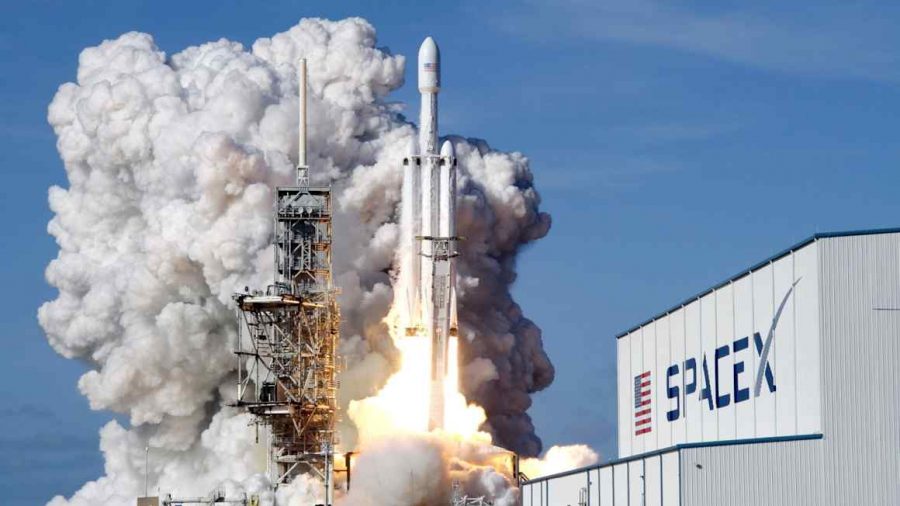
Whither SpaceX? Navigating the Future of Space Exploration
As one of the most innovative and ambitious companies in the aerospace industry, SpaceX has captured the imagination of millions with its groundbreaking technology and bold vision for the future of space exploration. However, as the company moves forward, questions loom about its trajectory amid increasing challenges and competition.
The Rise of SpaceX
Founded in 2002 by Elon Musk, SpaceX has revolutionized the aerospace sector with its reusable rocket technology, significantly reducing the cost of space travel. The successful launch of the Falcon 1 marked the company’s entry into the competitive world of space exploration, and subsequent launches of the Falcon 9 and Falcon Heavy rockets further solidified its reputation as a leader in the industry.
SpaceX’s ambitious projects, including the Starlink satellite constellation and the Starship spacecraft, aim to provide global internet access and facilitate human missions to Mars. However, these initiatives come with their own set of challenges that could impact the company’s future.
Current Challenges Facing SpaceX
- Regulatory Hurdles: SpaceX has faced scrutiny from regulatory bodies over its operations, particularly regarding the environmental impact of its launches and the deployment of the Starlink satellites.
- Technical Setbacks: Despite a history of innovation, SpaceX has encountered technical challenges with the Starship program, including delays in testing and development that have raised questions about its timeline for crewed missions to Mars.
- Competition: The rise of competitors such as Blue Origin and Boeing has added pressure on SpaceX to maintain its lead in the commercial space sector, particularly as governments around the world look to private companies to fulfill their space exploration goals.
The Road Ahead: Opportunities for Growth
Despite these challenges, SpaceX remains well-positioned to capitalize on emerging opportunities within the aerospace industry. The growing demand for satellite launches, advances in space technology, and potential partnerships with governmental agencies could provide new avenues for revenue and innovation.
Furthermore, as the global focus on space exploration intensifies, SpaceX’s leadership in reusable rocket technology positions it as a prime candidate for future contracts with NASA and other space agencies. The company’s ongoing commitment to reducing costs and enhancing efficiency could be pivotal in securing its place at the forefront of the industry.
Conclusion: The Future is Uncertain
As SpaceX navigates the complexities of the modern aerospace landscape, the question remains: Whither SpaceX? The company must address regulatory challenges, overcome technical setbacks, and fend off competition while continuing to innovate in a rapidly evolving sector. While the future may be uncertain, the potential for SpaceX to shape the next era of space exploration is undoubtedly significant.