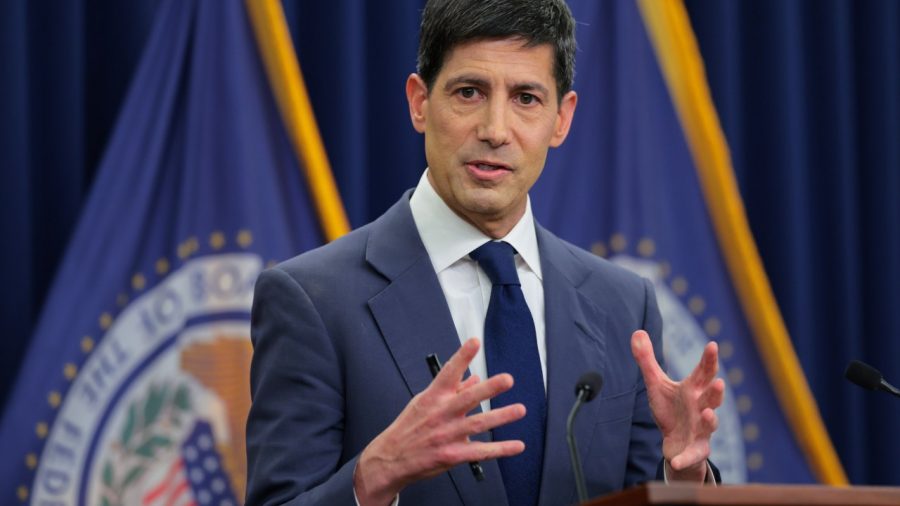
Understanding the Implications of a Silent Federal Reserve
The Federal Reserve’s recent decision to limit guidance has left many in the financial world on edge. With increasing uncertainty regarding interest rates and economic policy, mortgage rates may become more volatile, ultimately affecting homebuyers across the nation.
The Fed’s Communication Shift
In recent months, the Federal Reserve has adopted a more restrained approach to its communication strategy. Historically, the Fed has provided clear guidance regarding its monetary policy, helping to stabilize financial markets. However, this new tactic has led to increased speculation among investors and analysts, creating a climate of uncertainty.
Why Less Guidance Equals More Volatility
When the Fed is tight-lipped about its future intentions, it can lead to heightened market volatility. Investors, unsure of how the Fed will respond to economic indicators, may demand a risk premium when purchasing mortgage-backed securities. This premium translates into higher mortgage rates for consumers.
Mortgage bonds, which are essentially loans secured by real estate, are sensitive to changes in interest rates. If investors anticipate that the Fed will raise rates in the near future, they may shy away from purchasing these bonds, leading to a decrease in prices and a subsequent rise in mortgage rates.
The Impact on Homebuyers
For prospective homebuyers, rising mortgage rates can significantly increase the cost of homeownership. Higher rates mean increased monthly payments, which can put home buying out of reach for many. According to recent data, even a modest increase in mortgage rates can lead to a substantial increase in the total interest paid over the life of a loan.
- Increased Monthly Payments: A 1% increase in mortgage rates can add hundreds of dollars to monthly payments.
- Decreased Purchasing Power: As rates rise, many buyers may find that they can no longer afford the homes they once considered.
- Market Slowdown: Higher mortgage rates may lead to a slowdown in home sales, as buyers hesitate to commit to larger financial obligations.
What Homebuyers Can Do
In light of these changes, potential homebuyers should consider several strategies to mitigate the impact of rising mortgage rates:
- Lock in Rates Early: If you find a favorable mortgage rate, consider locking it in to protect against future increases.
- Improve Your Credit Score: A higher credit score can qualify you for better rates, potentially saving you thousands over the life of your loan.
- Shop Around: Different lenders offer varying rates and terms. Don’t hesitate to compare options to find the best deal.
The Path Ahead
As the Federal Reserve continues to navigate an unpredictable economic landscape, the ripple effects on the housing market are becoming increasingly apparent. Homebuyers must remain vigilant and adaptable, as even small changes in the Fed’s approach can have significant consequences on mortgage rates. Understanding these dynamics can empower buyers to make informed decisions in a rapidly changing market.
The future of mortgage rates may depend on the Fed’s willingness to communicate more transparently. As markets react to uncertainty, prospective homebuyers need to stay informed and proactive, ensuring they are prepared for whatever lies ahead.