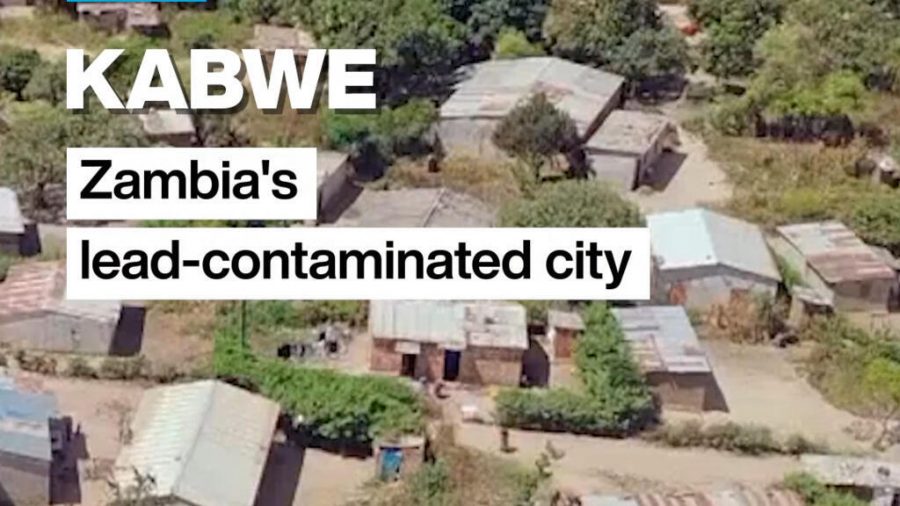
Kabwe, a city in Zambia, is facing a severe environmental crisis due to decades of mining activity that has left behind a toxic legacy of lead pollution. The city’s soil is contaminated, and thousands of people, particularly children, are suffering from lead poisoning, which has dramatic health consequences.
Introduction to Kabwe’s Lead Pollution
The city of Kabwe, once a thriving mining town, is now a shadow of its former self. The mining activities, which date back to the early 20th century, have left behind a trail of toxic waste, contaminating the soil, water, and air.
Health Consequences of Lead Poisoning
Lead poisoning is a serious health issue that can have long-term effects on the human body. Children are particularly vulnerable to lead poisoning, as their developing brains and bodies are more susceptible to the toxic effects of lead. Some of the health consequences of lead poisoning include:
- Brain Damage: Lead poisoning can cause permanent brain damage, leading to reduced IQ, learning disabilities, and behavioral problems.
- Organ Damage: Lead poisoning can also cause damage to vital organs such as the kidneys, liver, and heart.
- Developmental Delays: Exposure to lead can cause developmental delays, including delayed speech, language, and motor skills.
The Impact on Kabwe’s Residents
The residents of Kabwe are living in a toxic environment, with lead levels in the soil and water exceeding safe limits. The city’s children are the most vulnerable, with many suffering from lead poisoning. The health consequences are severe, and the long-term effects are still unknown.
A Call to Action
The Zambian government and international organizations have launched initiatives to clean up the toxic waste and provide medical treatment to those affected. However, more needs to be done to address the scale of the problem.