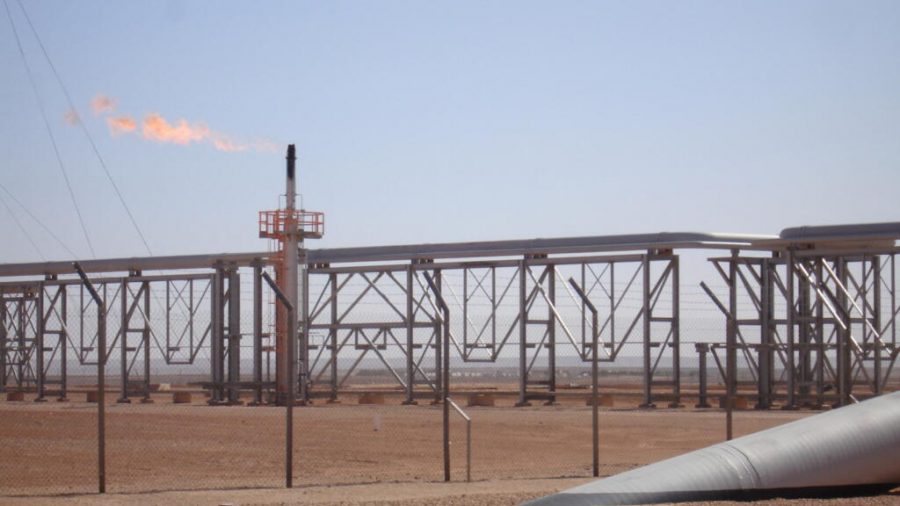
After a protracted wait of nearly two decades, the ambitious trans-Saharan gas pipeline project is regaining momentum, with significant developments announced this month. The construction of the Algerian section has officially resumed, marking a pivotal moment in the endeavor to transport Nigerian gas to Europe through Niger and Algeria. If successful, this colossal infrastructure project could not only diversify Europe’s energy supplies but also reshape the global energy landscape.
The Vision Behind the Trans-Saharan Gas Pipeline
Initially conceived in the early 2000s, the trans-Saharan gas pipeline is designed to extend over 4,000 kilometers, making it one of the longest gas pipelines in the world. The project aims to connect Nigeria’s abundant natural gas reserves to the European market, providing an alternative source of energy amidst growing concerns over reliance on Russian gas.
Strategic Importance
The strategic significance of this pipeline cannot be overstated. With Europe seeking to reduce its dependency on Russian gas amid geopolitical tensions, the trans-Saharan pipeline emerges as a viable alternative. By facilitating the flow of Nigerian gas, the project not only promises to bolster energy security in Europe but also aims to foster economic development and stability in West Africa.
A Complex Journey
Despite its potential, the journey of the trans-Saharan gas pipeline has been fraught with challenges. The project has faced numerous delays due to various factors, including political instability, financing issues, and logistical hurdles. Originally slated for completion in the mid-2000s, the project has seen its timeline extended repeatedly, raising questions about its viability.
Latest Developments
The recent announcement regarding the recommencement of construction in Algeria has reignited hopes for the project. Algerian Energy Minister Mohamed Arkab confirmed that work has resumed, and both Nigeria and Niger have expressed their commitment to seeing the project through. This renewed momentum comes at a time when energy markets are in flux, and the urgency for alternative energy sources has never been higher.
Impact on Local Economies
Beyond its potential to reshape European energy markets, the trans-Saharan gas pipeline is expected to have a significant impact on local economies. The construction and operation of the pipeline could create thousands of jobs, stimulate local industries, and enhance infrastructure development in the regions it traverses. This economic boost could provide much-needed relief to communities in Niger and Nigeria, where unemployment and poverty rates remain high.
Environmental Concerns
However, the project is not without its critics. Environmentalists have raised concerns about the potential ecological impact of the pipeline, arguing that it could threaten biodiversity and contribute to greenhouse gas emissions. As the world increasingly focuses on sustainable energy, the balance between economic development and environmental protection will be critical.
The Future of the Trans-Saharan Pipeline
Looking ahead, the success of the trans-Saharan gas pipeline will depend on a variety of factors, including ongoing political stability, international investment, and the ability to navigate environmental concerns. If completed, the pipeline could become a vital artery in the global energy market, linking Africa’s vast natural resources with the energy-hungry markets of Europe.
In conclusion, the trans-Saharan gas pipeline represents not just an African ambition but a potential turning point in the global energy narrative. As construction resumes, all eyes will be on this megaproject, which could redefine energy dynamics for years to come.