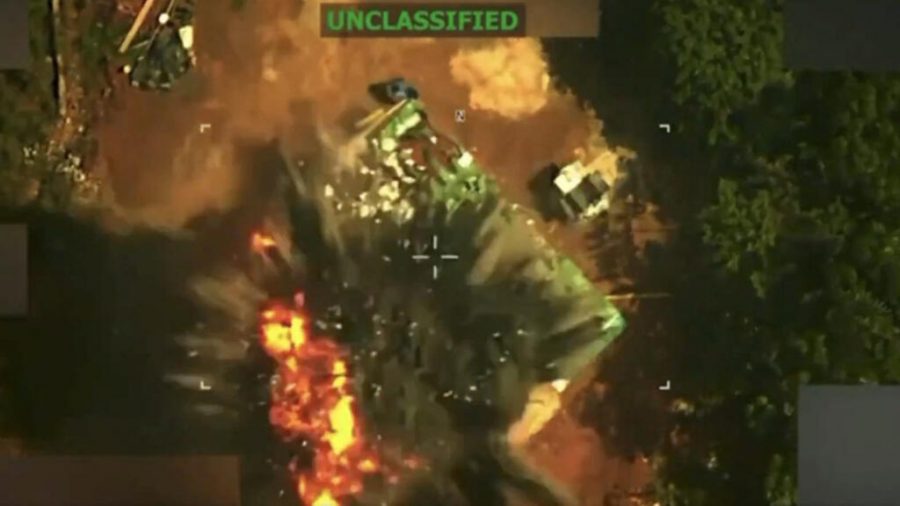
Tren de Aragua Gang Leader Killed in U.S.-Venezuela Joint Operation
In a significant development in the ongoing battle against organized crime in Latin America, Venezuelan authorities announced the death of Héctor Rusthenford Guerrero Flores, the notorious leader of the Tren de Aragua gang. This announcement came on Friday, following a coordinated operation between U.S. and Venezuelan forces in the southern region of the country. Guerrero Flores had been a key target for law enforcement, with the U.S. government placing a reward of up to $5 million for information leading to his capture.
The Tren de Aragua Gang: A Growing Threat
The Tren de Aragua gang, initially formed in the state of Aragua, has evolved into one of the most powerful criminal organizations in Venezuela. Its operations span various illicit activities, including drug trafficking, extortion, and human trafficking. As the group expanded its reach across Latin America, international authorities grew increasingly concerned about its potential to destabilize the region.
The Operation that Led to Guerrero’s Demise
Details surrounding the operation remain somewhat unclear, but officials from both the Venezuelan government and the U.S. have confirmed that the joint effort was conducted with precision. The collaborative approach aimed to dismantle the gang’s operations and restore order in areas heavily affected by crime. Venezuelan Minister of Interior and Justice, Remigio Ceballos, described the operation as a major success in the fight against organized crime.
U.S. Involvement in Latin America
The involvement of U.S. forces in this operation highlights a significant shift in the approach to combating drug trafficking and organized crime in Latin America. For years, the U.S. government has worked to strengthen partnerships with regional allies to tackle these pervasive issues. The decision to collaborate with Venezuela, a country with which the U.S. has had a rocky relationship, underscores the urgency of the situation.
Implications for Venezuela and Beyond
Guerrero Flores’ death could have far-reaching implications, not only for Venezuela but for the entire region. As authorities work to fill the power vacuum left by his demise, there are concerns that rival gangs may vie for control, potentially leading to increased violence. However, officials remain optimistic that this operation could serve as a deterrent against organized crime, sending a message that such criminal activities will not be tolerated.
International Reaction
The international community has reacted cautiously to the news of Guerrero’s death. While some view it as a positive step forward, others fear it may exacerbate tensions within Venezuela and lead to further instability. Analysts suggest that the U.S. and Venezuelan governments must continue to work together to ensure that the gains made through this operation are not lost in the chaos that may follow.
Looking Ahead
As Venezuela grapples with profound social and economic challenges, the fight against organized crime remains a critical issue. The killing of Guerrero Flores marks a pivotal moment in this ongoing struggle. The joint operation demonstrates the potential for cooperation between nations, even in the face of historical tensions. Moving forward, the focus will likely shift toward rebuilding and securing communities that have been plagued by gang violence.
In conclusion, the death of Héctor Rusthenford Guerrero Flores represents not only a victory in the battle against organized crime in Venezuela but also a crucial moment for international collaboration in addressing the pressing issues of drug trafficking and violence in Latin America.