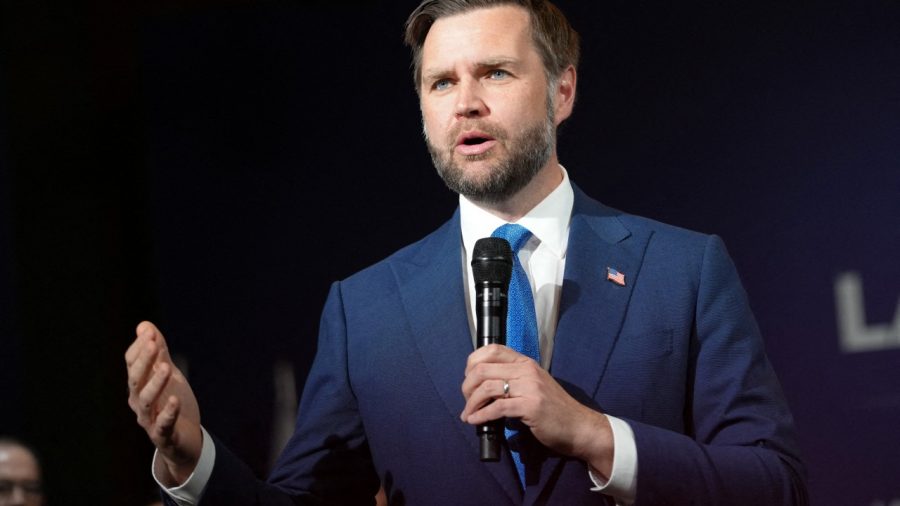
Trump and Vance: A Shift in Political Alliances on Israel
In a surprising turn of events, former President Donald Trump and Ohio Senator JD Vance have aligned their rhetoric with sentiments traditionally associated with the anti-Israel left. As both politicians navigate the turbulent waters of American politics, their evolving stance on Israel raises questions about their motivations and the implications for future elections.
The Political Landscape
In recent months, the political discourse surrounding Israel has shifted dramatically. With tensions escalating in the Middle East and public opinion becoming increasingly polarized, both Trump and Vance appear to be recalibrating their positions. This shift seems particularly aimed at courting a segment of the electorate that has grown disillusioned with traditional pro-Israel policies.
Trump’s Strategy
Donald Trump, who once fervently supported Israel during his presidency, is now adopting a more nuanced approach. While he continues to express support for Israel in certain contexts, his recent comments have drawn parallel lines with those of the anti-Israel left.
- Trump’s focus on America First policies has led him to question foreign aid to Israel, suggesting that such funds could be better spent domestically.
- His alignment with populist sentiments resonates with voters who prioritize domestic issues over foreign affairs.
Vance’s Positioning
JD Vance, a newcomer to the Senate, has also begun to echo similar sentiments. His rhetoric indicates a desire to appeal to a growing faction of the Republican Party that is skeptical of unwavering support for Israel.
- Vance has criticized what he perceives as a blind loyalty to Israel, arguing for a more balanced approach that considers American interests first.
- His alignment with figures like Tucker Carlson suggests a strategic move to solidify his base ahead of future elections.
Implications for the Republican Party
This newfound alignment with the anti-Israel left poses significant questions for the future of the Republican Party. As Trump and Vance navigate their political careers, their willingness to challenge longstanding party norms raises the stakes for traditional pro-Israel advocates within the GOP.
Many party members are concerned that this shift could fracture the coalition that has historically supported Israel. A growing number of voters, particularly younger generations, are increasingly vocal about their discontent with unconditional support for Israel, signaling a potential realignment within the party.
The Role of Media Influencers
Media figures, particularly those like Tucker Carlson, play a pivotal role in shaping public opinion and political narratives. Carlson’s influence has been instrumental in propelling anti-establishment views within the Republican Party, and his support could be critical for Trump and Vance as they position themselves for future elections.
- By appealing to Carlson’s audience, both Trump and Vance may be seeking to tap into a grassroots movement that prioritizes populist rhetoric over traditional foreign policy.
- This strategy could help them rally support from voters who feel alienated by mainstream political discourse.
Conclusion
As Donald Trump and JD Vance navigate the complexities of their political careers, their shifting rhetoric on Israel underscores a broader transformation within the Republican Party. With a growing faction of voters questioning traditional alliances, the implications of this shift could reshape the party’s platform as it heads into future elections. The question remains: will this alignment with the anti-Israel left resonate with the broader Republican base, or will it create a rift that is difficult to mend?