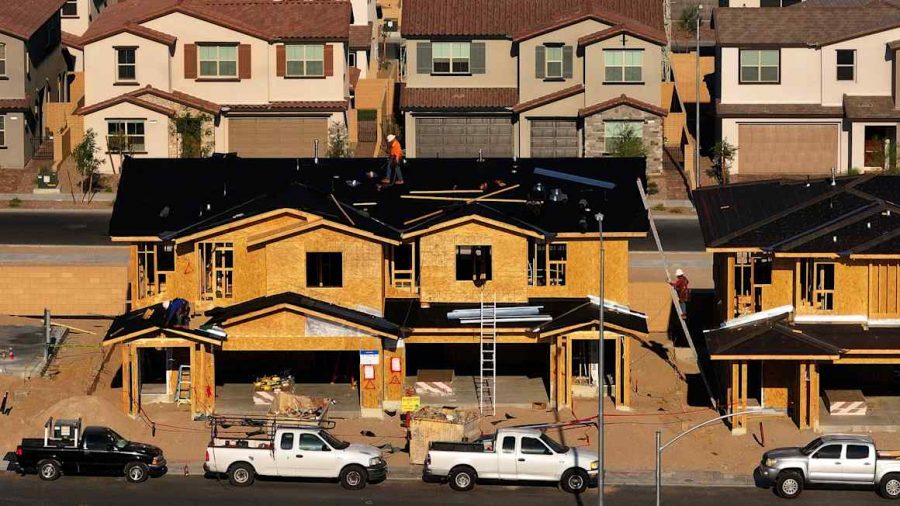
Trump Cancels Signing of US Housing Affordability Bill
In a surprising turn of events, former President Donald Trump has announced the cancellation of the signing ceremony for a significant housing affordability bill that garnered bipartisan support. This legislation, aimed at boosting housing supply and limiting the influence of institutional investors in the property market, was poised to address the ongoing housing crisis affecting millions of Americans.
The Importance of the Housing Affordability Bill
The housing affordability bill was designed to tackle rising property prices and improve access to affordable housing across the United States. With many families struggling to secure stable housing due to skyrocketing rents and home prices, this legislation aimed to provide much-needed relief. The bill included provisions to increase the supply of affordable housing units, incentivize the construction of new homes, and curb the growing market share of institutional investors who often outbid individual homebuyers.
Bipartisan Support and Its Implications
Despite the political polarization that has characterized recent years, this bill managed to attract support from both sides of the aisle. Lawmakers recognized the urgent need to address the housing crisis, which has reached unprecedented levels, particularly in urban areas where demand far exceeds supply. The bipartisan nature of the bill signified a rare moment of unity in Congress, with representatives from various states advocating for the essential reforms proposed in the legislation.
Reasons Behind Trump’s Decision
Trump’s decision to scrap the signing of the housing bill has raised eyebrows among political analysts and housing advocates alike. While the former president has historically championed various economic initiatives, his sudden withdrawal from this key piece of legislation has left many questioning his motivations. Some speculate that Trump may be prioritizing his political ambitions over substantive policy changes that could benefit everyday Americans.
Impact on the Housing Market
The cancellation of the bill could have significant ramifications for the housing market. Without the proposed measures to increase supply and regulate institutional investors, many fear that housing prices will continue to rise unchecked, further exacerbating the affordability crisis. Experts warn that the lack of intervention may lead to an even greater disparity between those who can afford housing and those who cannot.
Responses from Key Stakeholders
Reactions to Trump’s announcement have been swift and varied. Housing advocates expressed disappointment, emphasizing the urgent need for legislative action to address the crisis. “This bill represented a critical step toward making housing more accessible for families across the country,” said one housing advocate. “Trump’s decision to cancel the signing is a setback for millions who are struggling to find affordable homes.”
- Politicians: Many lawmakers voiced their frustration, arguing that this was a missed opportunity to make a meaningful impact on the housing crisis.
- Real Estate Experts: Analysts warned that the lack of regulatory measures could further empower institutional investors, driving up home prices and rents.
- Community Organizers: Grassroots organizations pledged to continue advocating for housing reforms, despite Trump’s cancellation.
Looking Ahead: The Future of Housing Policy
As the housing affordability bill is shelved, many are left wondering what the future holds for housing policy in the United States. Advocates for affordable housing are determined to keep the issue at the forefront of political discourse and continue pressing for legislative solutions. With the housing crisis affecting millions, the call for comprehensive reforms is more urgent than ever.
Ultimately, Trump’s decision to cancel the signing of the housing affordability bill underscores the complex interplay between politics and policy in the United States. As the country grapples with a pressing housing crisis, the need for effective and collaborative legislative action remains paramount.