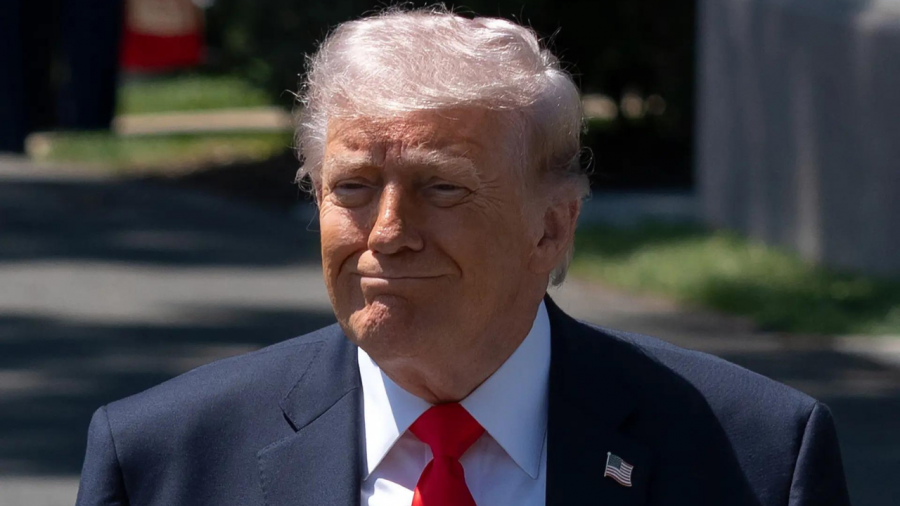
Trump Declares End to Hostilities with Iran Amid Ongoing Tensions
In a surprising move, President Donald Trump has informed Congress that hostilities between the United States and Iran have officially ended. This declaration, delivered through a letter, appears to be a strategic maneuver to sidestep the War Powers Resolution, which mandates congressional approval for military actions.
Background on US-Iran Relations
The relationship between the United States and Iran has been fraught with tension for decades. From the Iranian Revolution in 1979 to the more recent conflicts following the U.S. withdrawal from the Iran nuclear deal in 2018, military and diplomatic relations have oscillated between fragile calm and outright hostility. The ongoing presence of U.S. troops in the region is a constant reminder of these tensions, despite Trump’s assertion.
Details of the Letter to Congress
In his letter, Trump stated, “The hostilities with Iran have been terminated.” However, critics argue that this claim does not align with the reality on the ground, where U.S. forces remain deployed in Iraq and Syria, and confrontations with Iranian proxies continue. Legal experts suggest that the president’s message aims to satisfy the War Powers Resolution’s requirements without relinquishing control over military decisions.
War Powers Resolution and Its Implications
The War Powers Resolution of 1973 was enacted to limit the president’s ability to engage U.S. forces in hostilities without congressional consent. Under this law, the president must notify Congress within 48 hours of military action and can only continue military engagement for 60 days without formal authorization. By declaring an end to hostilities, Trump may believe he is effectively resetting this clock.
Reactions from Congress and Analysts
Members of Congress from both parties have expressed skepticism regarding Trump’s declaration. Senate Majority Leader Mitch McConnell stated, “We need to ensure that any military action is backed by a clear strategy and congressional oversight.” Democratic lawmakers have been particularly vocal, arguing that the administration’s approach undermines the legislative branch’s role in matters of war and peace.
- Foreign Policy Experts: Many analysts argue that Trump’s declaration could embolden Iran and its allies, leading to increased provocations in the region.
- Military Strategy: The U.S. military presence in Iraq, which is officially aimed at combating ISIS, remains a point of contention, with critics suggesting it complicates the relationship with Iran.
Future Outlook
The situation in the Middle East remains complex, with the potential for further escalation always present. Experts warn that Trump’s declaration could have unintended consequences, including increased hostilities from Iranian-backed groups. As the U.S. navigates this tense landscape, the administration’s strategy will be closely scrutinized by lawmakers and foreign policy analysts alike.
As the world watches, the question remains: can the U.S. truly declare an end to hostilities while maintaining a military presence in the region? The coming months will likely reveal whether this declaration is a strategic victory for Trump or a miscalculation that could reignite tensions.