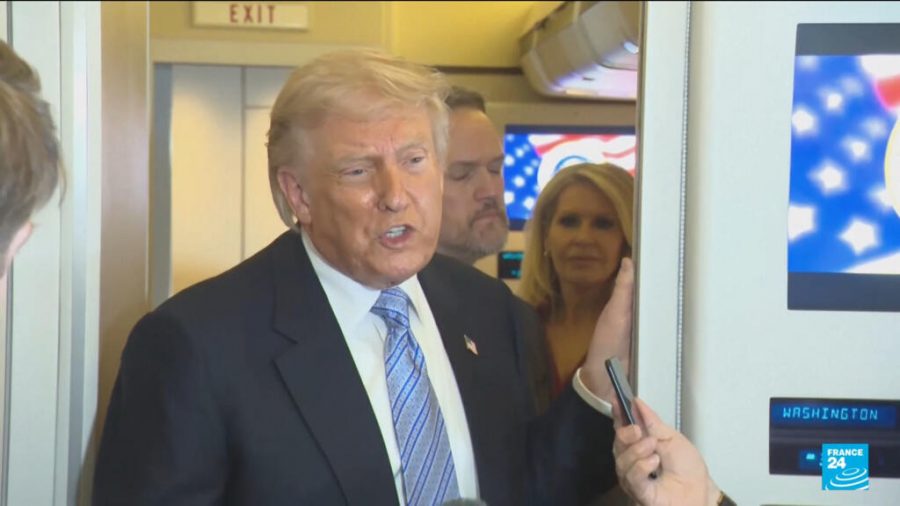
In a surprising shift in tone, U.S. President Donald Trump announced on May 18 that he had decided to hold off on a planned military strike against Iran at the behest of Gulf allies. This statement comes just days after Trump issued a series of stern warnings to Tehran, suggesting that the U.S. was prepared to take decisive action in response to escalating tensions in the region.
Peace Talks Take Center Stage
Speaking to reporters from the White House, Trump described ongoing peace talks with Iranian officials as “very positive.” He hinted at the influence of Gulf nations in his decision-making process, stating, “Many of our friends and allies in the Gulf urged me to reconsider, and I agreed to pause and give diplomacy a chance.” While the specifics of these discussions remain unclear, the president’s remarks suggest a concerted regional effort to de-escalate a potentially volatile situation.
Rising Tensions and Veiled Threats
The announcement marks a stark departure from Trump’s rhetoric over the weekend, during which he issued thinly veiled threats aimed at Iran. “They know what they’re doing, and they know what they’re playing with,” Trump had warned in a social media post, alluding to recent incidents in the Gulf that heightened fears of a possible military confrontation.
Although the president did not provide details about the planned strike, sources close to the administration revealed that it was in response to intelligence reports suggesting potential threats to U.S. interests in the Middle East. The situation has been further complicated by allegations of Iranian involvement in attacks on commercial vessels in the Persian Gulf, claims that Tehran has vehemently denied.
The Role of Gulf Allies
Gulf nations, including Saudi Arabia and the United Arab Emirates, have long been key U.S. partners in the region. Both countries have expressed concerns about Iran’s regional influence and its nuclear ambitions. Despite their apprehensions, it appears that they may have urged Washington to exercise caution. Analysts believe this is likely due to fears of broader instability in the region, which could disrupt oil markets and jeopardize economic interests.
“The Gulf states understand that a full-scale conflict would have devastating consequences for everyone involved,” said Dr. Lina Khatib, a Middle East expert at Chatham House. “While they may support a hardline stance on Iran, they are also deeply aware of the risks of military escalation.”
What’s Next?
Although Trump’s decision to delay the strike has been welcomed by some as a step toward diplomacy, others remain skeptical about the sustainability of peace talks. Critics argue that the administration’s mixed messaging—oscillating between threats and negotiations—undermines its credibility and may embolden Iran.
For now, all eyes are on the next steps in U.S.-Iranian relations. With Gulf allies playing a seemingly pivotal role in shaping the White House’s strategy, the international community will be watching closely to see whether this pause leads to meaningful dialogue or merely delays an inevitable confrontation.
- Key Takeaway: Trump’s decision to pause a military strike highlights the complex interplay of diplomacy and regional alliances in addressing tensions with Iran.
- Broader Implications: The move underscores the high stakes involved in navigating U.S. foreign policy in the volatile Gulf region.