Trump’s Bold Declaration on Iran’s Oil and Gas Markets
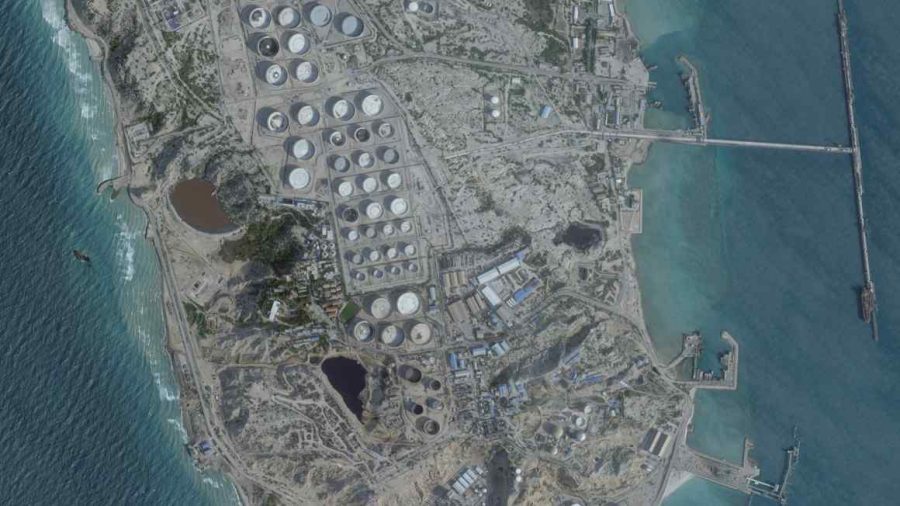
In a stunning announcement that has sent ripples through the global oil market, President Donald Trump has pledged to take “total control” of Iran’s oil and gas sectors. This bold move also includes plans for American forces to seize control of the crucial Kharg Island, a significant hub for Iran’s oil exports.
The Implications of Seizing Control
Kharg Island, located in the Persian Gulf, is Iran’s primary oil export terminal, responsible for handling the majority of the nation’s crude oil shipments. By targeting this strategic location, the Trump administration aims to curb Iran’s revenue from oil exports, which are vital for the country’s economy. The president’s remarks come amid heightened tensions between the United States and Iran, following a series of sanctions imposed on the Islamic Republic.
Trump’s Strategy for Iranian Oil
During a press briefing, Trump outlined his administration’s strategy to dominate Iran’s oil and gas markets. “We will not only restrict their ability to export oil but will also ensure that the resources are redirected to support American interests and allies,” Trump stated emphatically. This assertion marks a significant shift in U.S. foreign policy, particularly concerning Iran, which has faced intense scrutiny over its nuclear ambitions and regional activities.
Potential Reactions from Iran and the Global Community
This aggressive stance has already prompted swift reactions from Iranian officials, who have condemned Trump’s remarks. Iranian President Ebrahim Raisi warned that any attempt to take control of Iran’s oil would be met with “severe consequences.” Additionally, analysts predict that such actions could escalate military tensions in the region, increasing the risk of conflict between U.S. forces and Iranian military units.
Impact on Global Oil Prices
The prospect of American forces seizing control of Kharg Island has raised concerns amongst economists and market analysts about potential spikes in global oil prices. Experts suggest that any disruptions to Iran’s oil supply could lead to significant volatility in the oil market, affecting both consumers and industries worldwide. Many countries are closely monitoring the situation, as fluctuations in oil prices can have far-reaching economic impacts.
Historical Context of U.S.-Iran Relations
The relationship between the United States and Iran has been fraught with tension for decades, particularly since the Iranian Revolution in 1979. The imposition of sanctions, military actions, and diplomatic standoffs have characterized this turbulent relationship. Trump’s current plan to take control of Iran’s oil resources represents a continuation of a hardline approach that has defined his administration’s foreign policy towards Tehran.
The Future of U.S. Foreign Policy in the Middle East
This latest declaration raises important questions about the future direction of U.S. foreign policy in the Middle East. As tensions escalate, many are left wondering whether this approach will achieve its intended goals or if it will exacerbate existing conflicts. The administration’s actions will likely shape U.S.-Iran relations for years to come and could redefine the geopolitical landscape of the entire region.
Conclusion
In conclusion, President Trump’s vow to take “total control” of Iran’s oil and gas markets is a bold statement that could have significant repercussions for Iran, the United States, and the global economy. As the situation unfolds, it remains to be seen how Iran will respond and what this will mean for the future of energy markets and international relations.