Trump’s McCarthyist Rhetoric Resurfaces
As the US midterm elections approach, former President Donald Trump has begun to employ a rhetoric reminiscent of the Cold War era, characterizing the Democratic Party as a radical and dangerous “red menace.” This strategy appears to be a calculated effort to galvanize his base and frame the upcoming elections as a pivotal battle for the future of American values.
The Resurgence of Political Polarization
The midterm elections have historically been a barometer of public sentiment, often reflecting the electorate’s mood regarding the sitting president. With the Democratic Party facing significant challenges, including economic concerns and social issues, Trump’s revival of McCarthyism-like language serves to deepen the political divide.
Framing the Opposition
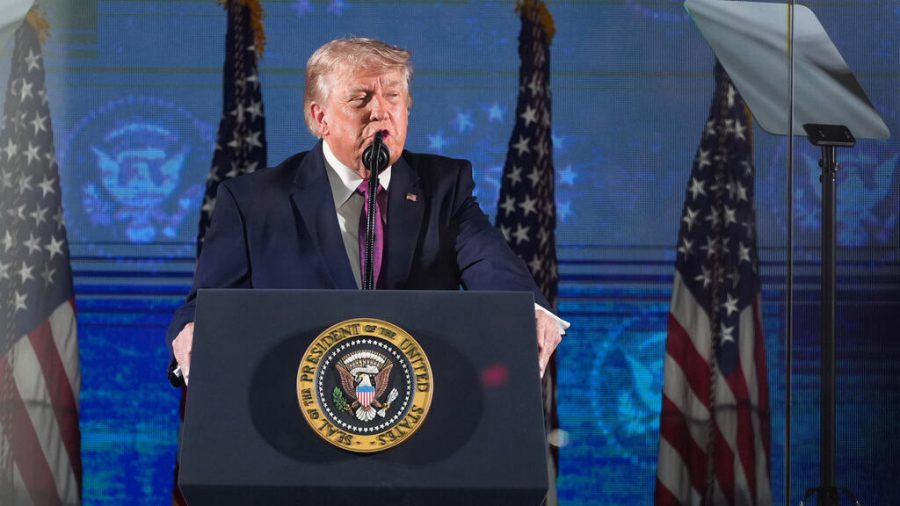
In recent rallies, Trump has labeled Democrats as extremists, suggesting they pose a threat to national security and American ideals. This rhetoric echoes the fear-mongering tactics of the 1950s, where communism was painted as a looming threat within American society. By invoking this historical narrative, Trump seeks to rally his supporters by instilling a sense of urgency and danger surrounding the Democratic agenda.
Mobilizing the Republican Base
Trump’s strategy appears designed not only to energize his core supporters but also to attract undecided voters who may be swayed by the notion of a looming threat. By framing the election as a fight against an extremist ideology, Trump aims to solidify his standing within the Republican Party while also drawing a clear distinction between his values and those of his opponents. This tactic is crucial as Republican candidates across the country prepare for a highly competitive electoral landscape.
The Impact of Social Media
Social media has been a powerful tool for Trump, allowing him to disseminate his messages rapidly and to a broad audience. His use of platforms like Twitter and Facebook has facilitated the spread of his narrative, and his supporters have echoed his sentiments, creating a feedback loop that amplifies his claims of a Democratic “menace.” This online mobilization is crucial as both parties leverage technology to influence voter turnout and shape public perception.
Historical Context and Its Implications
The Cold War era was marked by intense fear of communism, leading to widespread suspicion and the persecution of those labeled as disloyal. Trump’s rhetoric draws on this historical precedent, suggesting that the stakes in the upcoming elections are similarly high. This approach not only heightens tensions but may also lead to increased polarization among the electorate.
The Role of Key Issues
As voters head to the polls, key issues such as the economy, healthcare, and social justice will undoubtedly play a significant role in their decisions. However, Trump’s framing of these issues in the context of an ideological battle may overshadow substantive policy discussions. His tactics prioritize emotional appeals over rational debate, which could have lasting ramifications for the political landscape.
Conclusion: A Divisive Path Ahead
As the midterm elections draw nearer, Trump’s revival of McCarthyist rhetoric signals a continuation of divisive political tactics. By portraying the Democratic Party as a red menace, he is not only seeking to consolidate his power within the Republican Party but is also contributing to a broader narrative of fear and distrust that could shape American politics for years to come. The implications of this campaign strategy will be felt long after the votes are cast, potentially altering the fabric of political discourse in the United States.