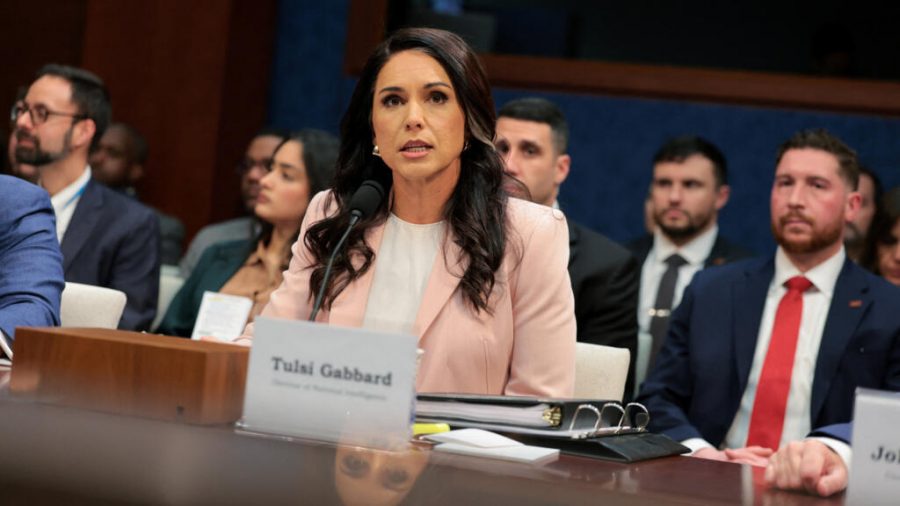
Washington, D.C. – Tulsi Gabbard, President Donald Trump’s director of national intelligence, announced her resignation on Friday, citing personal reasons following her husband’s recent diagnosis with a rare form of bone cancer. Gabbard’s departure, which marks the fourth Cabinet-level resignation during Trump’s second term, comes at a time when tensions within the administration are running high over its handling of foreign policy, particularly concerning Iran.
An Unexpected Departure
In a statement released to the press, Gabbard emphasized her decision was driven by her desire to prioritize her family. “After much reflection, I have decided to step down from my position as director of national intelligence to fully support my husband as he begins his treatment journey,” she wrote. While her resignation was framed as a personal choice, it comes amid a complicated backdrop of policy disagreements and public scrutiny.
Gabbard, a former U.S. representative and 2020 Democratic presidential candidate, was a controversial pick for the Trump administration’s intelligence chief role. Her tenure was marked by her willingness to publicly challenge the president’s claims, particularly on sensitive issues like Iran. Analysts suggest that these tensions may have also contributed to her decision to leave the administration.
Policy Divisions on Iran
Gabbard’s resignation follows weeks of speculation over her future in the role, particularly after her testimony before Congress last month. During the hearing, Gabbard presented intelligence assessments on Iran that appeared to contradict the administration’s more aggressive public stance. While she stopped short of directly criticizing Trump, her nuanced approach to the issue reportedly caused friction within the White House.
“Her testimony was a moment of rare transparency,” said a senior intelligence official who spoke on the condition of anonymity. “It’s no secret that her approach to Iran policy was more measured than the president’s, and that didn’t sit well with everyone.”
Another Exit in a Tumultuous Term
Gabbard’s resignation adds to a growing list of high-profile departures from the Trump administration during its second term. Since the president’s reelection, three other Cabinet-level officials have stepped down, citing a mix of personal and professional reasons. Political analysts say the turnover reflects the challenges of serving in an administration known for internal divisions and high-pressure decision-making.
The timing of Gabbard’s exit is particularly sensitive, as the administration faces mounting criticism over its foreign policy decisions. With tensions in the Middle East escalating and questions about the U.S.’s long-term strategy in the region, Gabbard’s expertise and steady demeanor will be missed, according to her colleagues.
What’s Next for Gabbard?
Though her resignation marks the end of her time in the Trump administration, Gabbard’s political future remains uncertain. Known for her independent streak and bipartisan appeal, she has long been seen as a rising star in American politics. Some pundits speculate she may return to public service in the future, potentially as an advocate for healthcare reform or veterans’ issues—both areas she has championed throughout her career.
For now, however, Gabbard is focused on her family. “This is a difficult chapter for us, but I am grateful for the opportunity to have served my country in this role,” she said in her statement. “I look forward to supporting my husband and facing this challenge together.”
As the administration searches for her replacement, the spotlight will remain on how the White House navigates both internal challenges and external pressures in the months ahead. Gabbard’s resignation is a reminder of the personal sacrifices public servants often make, as well as the complexities of serving in one of the most politically charged environments in U.S. history.