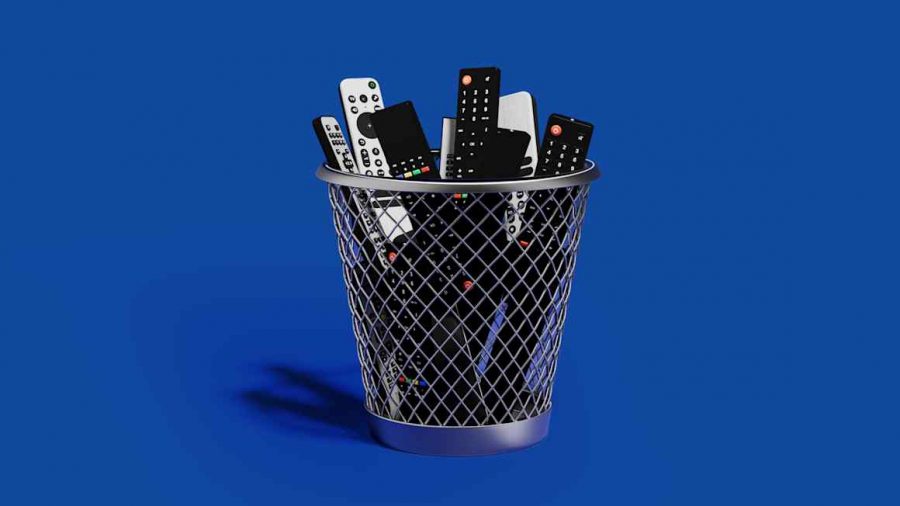
The world of television is undergoing a significant transformation, with the rise of streaming services and online platforms offering viewers more choices than ever before. However, this increased choice has also led to a new set of problems, as audiences struggle to navigate the complex and often frustrating landscape of modern TV.
The Fracturing of Platforms
The traditional model of television, where viewers would gather around the TV to watch their favorite shows at a scheduled time, is rapidly becoming a thing of the past. In its place, a multitude of streaming services and online platforms have emerged, offering a vast array of content that can be accessed at any time.
The Delight of Choice
For many viewers, this shift has been a welcome development, providing access to a vast library of content that was previously unavailable. With services like Netflix, Hulu, and Amazon Prime, audiences can now watch their favorite shows and movies at a time that suits them, rather than being tied to a traditional broadcast schedule.
Furthermore, the rise of niche platforms has also created new opportunities for content creators to produce specialized content that caters to specific interests. This has led to a proliferation of high-quality programming that might not have been viable in the traditional broadcast model.
The Hassle of Complexity
However, the fracturing of platforms has also created a new set of problems for viewers. With so many different services and platforms available, it can be difficult for audiences to keep track of what’s available where, and how to access it. This has led to a phenomenon known as ‘subscription fatigue’, where viewers become overwhelmed by the sheer number of options and struggle to manage their multiple subscriptions.
Additionally, the lack of standardization across platforms can also cause frustration, as viewers may find that their favorite shows are available on one service but not another. This can lead to a situation where viewers are forced to subscribe to multiple services in order to access the content they want, which can be expensive and inconvenient.
Solving the Problem
So, what can be done to address the hassle of complexity in the modern TV landscape? One potential solution is the development of aggregator services, which aim to simplify the viewing experience by providing a single interface for accessing multiple platforms. These services, such as Apple TV+ and Google TV, allow viewers to search for and discover content across multiple platforms, making it easier to find and watch their favorite shows.
Another potential solution is the use of AI-powered recommendation engines, which can help viewers discover new content that is tailored to their interests. By analyzing viewing habits and preferences, these engines can provide personalized recommendations that cut through the noise of the modern TV landscape.
- Improved content discovery
- Simplified subscription management
- Enhanced user experience
Ultimately, the future of TV will depend on finding a balance between the delight of choice and the hassle of complexity. By providing viewers with a simple and intuitive way to access the content they want, the industry can ensure that the benefits of the modern TV landscape are available to everyone, without the frustration and overwhelm that can come with it.