U.S. Tech Futures Decline Amid Global Concerns
In a turbulent start to the week, U.S. tech futures fell sharply in early European trading on Monday, reflecting the growing apprehension in the markets following recent geopolitical tensions in the Middle East. The decline was exacerbated by disappointing earnings reports from major companies, including Samsung Electronics, which sent shockwaves through global artificial intelligence-related stocks.
Market Reactions to Geopolitical Events
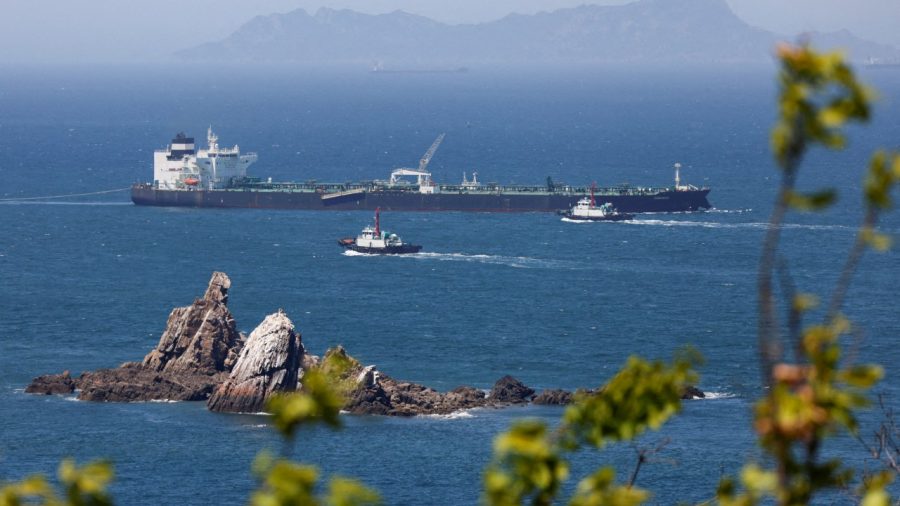
The ongoing attacks on commercial shipping vessels near the Strait of Hormuz have raised alarms among investors, impacting oil prices and broader market sentiment. The Strait of Hormuz is a critical artery for global oil transportation, and any disruptions can have immediate effects on crude oil prices, which saw a notable increase as traders reacted to the heightened risks.
Impact on Tech Sector
- Samsung’s Earnings Report: Samsung Electronics, a major player in the tech industry, posted earnings that fell short of market expectations, leading to a sell-off in tech stocks. The company cited supply chain issues and increased competition as key factors affecting its performance.
- Artificial Intelligence Stocks: The weakness in the tech sector was particularly evident in AI-related stocks, which have been on a rollercoaster ride this year. As investors recalibrate their expectations, many are pulling back from high-flying tech investments.
Oil Prices on the Rise
As tensions escalate in the Gulf region, oil prices have surged, with Brent crude hitting multi-month highs. Analysts are predicting that continued unrest could lead to further increases, as the potential for supply disruptions looms large.
Global Economic Implications
The combination of falling tech futures and rising oil prices signals a broader economic challenge. Higher oil prices can lead to increased costs for consumers and businesses alike, which could stifle economic growth and consumer spending. This scenario poses a dilemma for central banks, which must balance inflationary pressures against the need to support economic recovery.
Investors’ Response
In response to these developments, investors are adopting a cautious approach, with many reallocating their portfolios in search of safer assets. Traditional safe havens, such as gold and U.S. Treasury bonds, are seeing increased demand as market participants seek to mitigate risk.
Looking Ahead
As the week progresses, market analysts will be closely monitoring both the geopolitical situation in the Middle East and the performance of major tech companies. The interplay between oil prices and tech sector performance will be critical in shaping market dynamics, and investors are advised to stay informed and adjust their strategies accordingly.