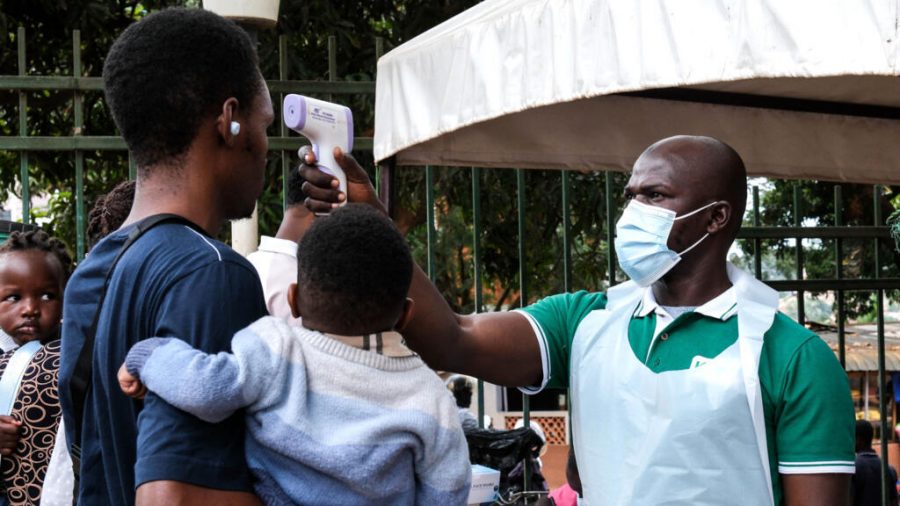
Uganda’s health authorities have reported three new cases of Ebola, all linked to the neighboring Democratic Republic of Congo (DRC), raising fresh concerns about the virus’s potential spread across the region. The announcement came on Saturday, accompanied by an urgent warning from the Africa Centres for Disease Control and Prevention (Africa CDC) that ten nations are currently at risk of being affected by the deadly disease.
Fresh Ebola Cases Spark Regional Concern
The confirmed cases come amid ongoing efforts in Uganda to monitor and contain the spread of the virus, which has a history of causing devastating outbreaks in the region. Health officials stated that all three individuals are alive and receiving medical care, but the situation underscores the urgency of coordinated efforts to prevent a wider outbreak.
The Africa CDC highlighted that the proximity of neighboring nations to the DRC, where Ebola outbreaks have been recurrent, puts them at greater risk. This latest development has reignited calls for stronger surveillance, rapid response mechanisms, and increased public health awareness in the region.
Understanding the Threat of Ebola
Ebola is a highly infectious and often fatal disease, with symptoms including fever, severe headache, muscle pain, and bleeding. The virus spreads through direct contact with bodily fluids of an infected person or contaminated surfaces. Outbreaks have historically posed significant challenges to health systems, especially in Africa, where resources are often limited.
Uganda, which shares a porous border with the DRC, has experienced previous outbreaks of Ebola. The country’s health authorities have developed protocols to manage such crises, including isolation centers, contact tracing, and community education. Nevertheless, the reemergence of cases highlights the need for constant vigilance.
Regional Risk and International Response
The Africa CDC has identified ten countries at risk of potential Ebola spread due to geographic and epidemiological factors. These nations include South Sudan, Rwanda, Burundi, Tanzania, and Kenya, among others. The organization is urging these countries to bolster their preparedness by enhancing border screenings, improving laboratory capacities, and conducting public health drills.
“The threat of cross-border transmission is real, and we cannot afford to be complacent,” said Dr. Ahmed Ogwell Ouma, Acting Director of the Africa CDC. He emphasized the importance of regional collaboration and international support to mitigate the risk of a widespread outbreak.
Lessons from Past Outbreaks
The 2014-2016 Ebola outbreak in West Africa, which claimed over 11,000 lives, serves as a stark reminder of the virus’s devastating potential. The outbreak overwhelmed healthcare systems in Guinea, Liberia, and Sierra Leone, prompting a global response to contain the epidemic.
Since then, significant progress has been made in developing vaccines and treatments for Ebola. However, access to these medical advancements remains uneven, particularly in remote or conflict-affected areas. Experts stress the importance of equitable distribution of resources to effectively combat the disease.
Public Vigilance and Preventative Measures
Health authorities in Uganda are urging the public to remain vigilant and report any suspected cases of Ebola immediately. They are also emphasizing the importance of hygiene practices, such as regular handwashing and avoiding contact with bodily fluids of individuals who are unwell.
Meanwhile, international organizations, including the World Health Organization (WHO), are closely monitoring the situation and offering support to affected regions. The goal is to prevent a repeat of past crises by ensuring swift action and robust coordination among countries.
As Uganda works to contain the current cases, the situation serves as a sobering reminder of the importance of readiness in combating infectious diseases. The global health community continues to watch closely, hoping that lessons learned from previous outbreaks will help avert another widespread crisis.