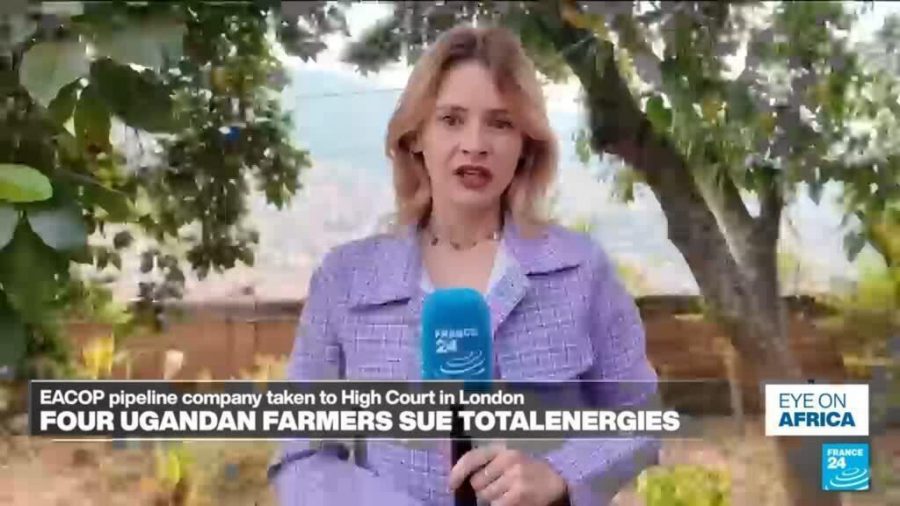
Ugandan Farmers Sue UK Firm Over EACOP Pipeline Impact
In a significant development in the ongoing controversy surrounding the East African Crude Oil Pipeline (EACOP), four Ugandan farmers have initiated legal proceedings against the British company responsible for the project. This lawsuit, filed in London’s High Court, represents a crucial moment in the struggle between local communities and international oil interests.
The EACOP Project: An Overview
The East African Crude Oil Pipeline is a monumental infrastructure project designed to transport crude oil from Uganda to the Tanzanian port of Tanga. Spanning approximately 1,443 kilometers, it is touted as one of the longest heated pipelines in the world. The project is expected to play a vital role in boosting Uganda’s economy by facilitating oil exports. However, it has faced substantial opposition from environmentalists, local communities, and human rights organizations.
Farmers’ Grievances and Legal Action
The four farmers involved in the lawsuit claim that the pipeline’s construction poses a direct threat to their agricultural lands and livelihoods. They argue that the project will lead to displacement and loss of income, as well as environmental degradation that could impact farming activities in the region.
According to the farmers, despite their efforts to engage with the company and seek compensation for their losses, they have been met with inadequate responses. Consequently, they decided to take their battle to the courts, asserting their rights against what they describe as a powerful corporation prioritizing profit over local communities.
The Broader Context of EACOP’s Controversy
The EACOP has been mired in controversy since its inception. Critics have raised concerns about potential violations of human rights, environmental risks, and the impact on local communities. Reports have surfaced detailing instances of land grabbing and inadequate compensation for those displaced by the project, sparking outrage among activists and local residents.
International Response and Implications
This legal action in London could have far-reaching implications not only for the EACOP project but also for similar international infrastructure initiatives. If the farmers succeed in their lawsuit, it could set a precedent for other communities facing similar challenges from multinational corporations. It may also prompt a reevaluation of how foreign investments in developing countries are handled, particularly in terms of environmental and social responsibility.
What Lies Ahead?
The farmers’ lawsuit is part of a growing trend where local communities are increasingly holding multinational corporations accountable for their actions. As the case unfolds, all eyes will be on the High Court as it addresses the complexities of corporate responsibility in the context of global development projects.
In the coming weeks, the legal proceedings will likely bring to light more details about the EACOP project and its implications for the environment and local communities. The outcome may not only affect the farmers but could also influence the future of oil exploration and infrastructure projects across Africa.
Conclusion
The lawsuit filed by these Ugandan farmers is a critical moment in the ongoing battle between local rights and international oil interests. As the situation develops, the global community will be watching closely to see how the courts interpret the rights of individuals in the face of powerful corporations.