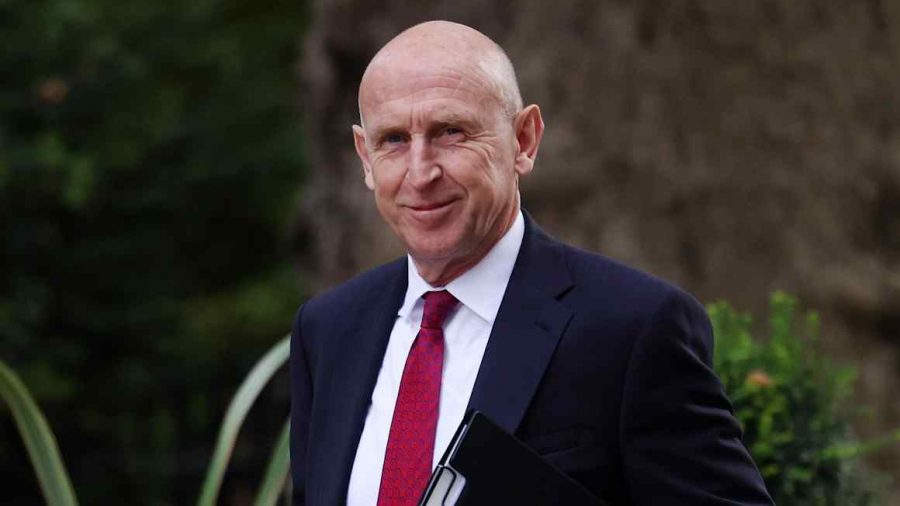
UK Defence Secretary John Healey Resigns Over Budgetary Dispute
In a stunning political development, UK Defence Secretary John Healey has officially resigned, citing an inability to secure essential funding for the nation’s military budget. The resignation has sparked widespread debate regarding the government’s financial priorities and the future of the UK’s defence strategy.
Reasons Behind the Resignation
Healey’s departure from the Cabinet was attributed to the Labour Party’s leader, Keir Starmer, whom he described as ‘unable’ to advocate for necessary military spending. Healey expressed frustration over the Treasury’s apparent unwillingness to allocate the funds needed to bolster the UK Armed Forces.
Concerns Over National Security
In his resignation statement, Healey emphasized the critical need for a robust defence budget, particularly in light of rising global tensions and evolving security threats. He stated, “Our armed forces must be adequately funded to ensure that they can effectively respond to any crisis that may arise.” Healey’s resignation raises questions about the future of the UK’s military readiness and the government’s commitment to national security.
Political Reactions
The resignation has sent shockwaves through the political landscape, prompting reactions from various quarters. Some Labour MPs have expressed concerns that Healey’s exit could further undermine the party’s credibility on defence issues. Others, however, have rallied behind him, highlighting the need for a clear and committed stance on military spending.
- Defence Spending in Question: The debate over the budget has intensified, with calls for a reassessment of the government’s spending priorities.
- Starmer’s Leadership Under Scrutiny: Critics argue that Starmer must take a more proactive role in advocating for defence spending.
- Impact on Military Strategy: Experts warn that continued underfunding could jeopardize the UK’s military capabilities in the long term.
The Path Forward
As the Labour Party grapples with internal divisions and external pressures, the question remains: how will they address the critical issue of defence funding? Healey’s resignation serves as a wake-up call for party leadership, suggesting that a more robust approach is necessary to secure the future of the UK’s armed forces.
Conclusion
John Healey’s resignation as Defence Secretary marks a significant moment in UK politics, emphasizing the urgent need for a comprehensive review of military funding and priorities. With national security at stake, the Labour Party faces mounting pressure to take decisive action, not only to support its former minister but also to reassure the public that the UK is prepared to face the challenges ahead.