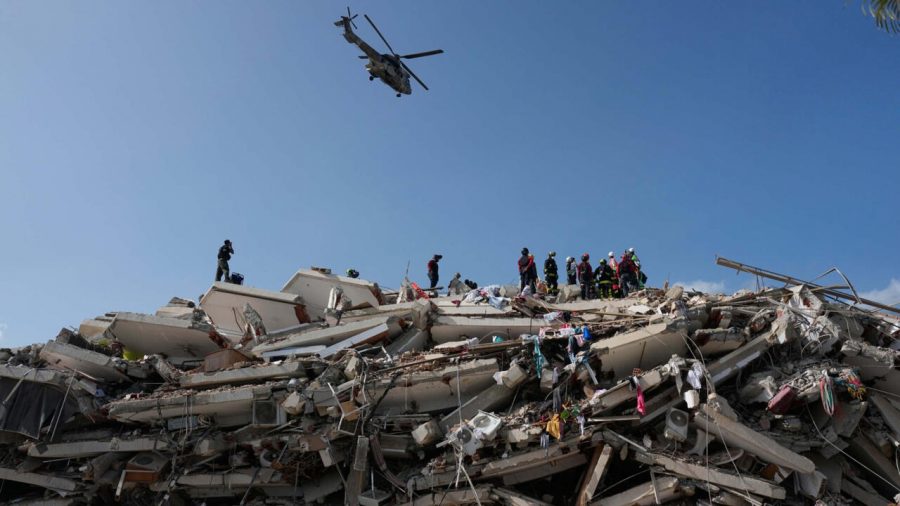
UN Warns of Massive Impact from Recent Earthquakes in Venezuela
Recent seismic activity in Venezuela has raised alarm bells, with the United Nations estimating that nearly 6.8 million people could be affected by the quakes. The region, already grappling with a humanitarian crisis, faces a new layer of vulnerability as communities brace for potential aftershocks and the consequences of the initial tremors.
The Earthquakes: What We Know
Over the past few weeks, Venezuela has experienced a series of earthquakes, with the most significant tremors registering at magnitudes that have sent shockwaves through the densely populated areas. These earthquakes have not only resulted in structural damage but have also posed risks to the safety and well-being of millions of residents.
Extent of the Damage
The UN reports indicate that the areas most affected include major urban centers, where infrastructure is already under strain due to years of economic decline. Essential services such as healthcare, water supply, and electricity have been disrupted, exacerbating the plight of those living in these regions.
- Healthcare Strain: Hospitals are overwhelmed with patients suffering from injuries related to the earthquakes, as well as from ongoing health crises.
- Displacement: Thousands have been forced to evacuate their homes, seeking refuge in temporary shelters that lack adequate resources.
- Food Security: The earthquakes have damaged agricultural lands, further threatening food supplies in a country that has already been facing severe shortages.
The Humanitarian Crisis Deepens
Venezuela’s humanitarian crisis, which has been ongoing for several years, is now compounded by the effects of these natural disasters. With a staggering number of people already in need of assistance, the situation is dire. The UN’s estimates highlight the urgent need for international support and intervention.
Calls for International Aid
In response to the escalating situation, humanitarian organizations are calling for immediate international aid. They emphasize the importance of providing resources not only for immediate disaster relief but also for long-term recovery efforts. Access to clean water, medical supplies, and food is crucial as the country navigates this dual crisis.
Community Resilience and Response
Despite the challenges, local communities are coming together to support one another. Volunteer groups are organizing food drives, medical assistance, and temporary shelters for those displaced by the earthquakes. The resilience of the Venezuelan people shines through as they adapt to the new realities imposed by these natural disasters.
Looking Ahead
As the aftershocks continue to pose a threat, the focus remains on recovery and rebuilding. The Venezuelan government, along with international partners, must prioritize disaster preparedness to mitigate the impact of future earthquakes. Additionally, addressing the ongoing humanitarian crisis will be essential to ensure the safety and well-being of millions.
In conclusion, the recent earthquakes in Venezuela serve as a stark reminder of the vulnerabilities faced by communities in disaster-prone regions. With millions at risk and a humanitarian crisis deepening, the need for coordinated global efforts is more pressing than ever.