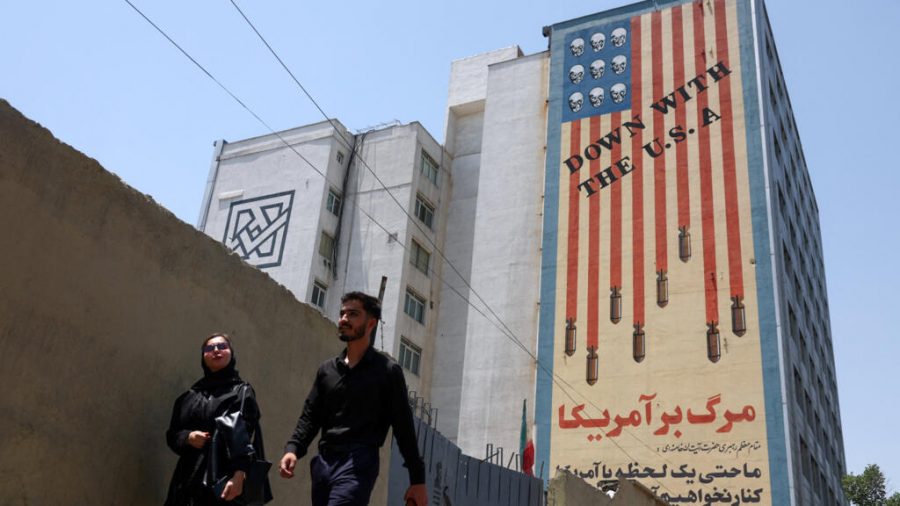
US and Iran Engage in Ongoing Negotiations to Curb Middle East Conflict
In a significant development in the ongoing turmoil in the Middle East, a U.S. official confirmed on Sunday that discussions between the United States and Iran aimed at de-escalating the conflict will persist. This announcement comes after both parties agreed to a temporary cessation of hostilities following a series of violent clashes.
US-Iran Talks: A Hope for Stability
The conversations are seen as a vital step towards achieving a lasting peace in a region plagued by decades of strife. The U.S. administration has emphasized the importance of dialogue in addressing the multifaceted issues affecting the Middle East, particularly in light of recent escalations in violence.
While the details of the negotiations remain largely under wraps, the U.S. is reportedly advocating for a comprehensive framework that would not only address immediate security concerns but also lay the groundwork for future cooperation between Iran and its neighbors.
Lebanon’s Stance on the Proposed Framework
Adding complexity to the situation, Lebanese Parliament Speaker Nabih Berri has publicly rejected a proposed framework agreement involving the U.S., Israel, and Lebanon. Berri characterized the deal as an “agreement of dictates,” asserting that it inadequately safeguards Lebanon’s rights and interests.
His remarks highlight the skepticism surrounding foreign interventions in the region and resonate with a significant portion of the Lebanese populace, who fear that such agreements may exacerbate rather than alleviate tensions.
Recent Clashes and Their Implications
The recent clashes in the region have raised alarms about the potential for a broader conflict, drawing in various actors with vested interests. Analysts suggest that a failure to effectively manage these tensions could lead to a spiral of violence, undermining any progress made in diplomatic discussions.
As the U.S. and Iran continue their dialogue, the international community is closely monitoring the situation, hoping that sustained negotiations will lead to a reduction in hostilities. The stakes are high, with millions of lives affected by the ongoing conflict and the humanitarian crisis exacerbating with each passing day.
The Role of Regional Players
Regional players are also weighing in on the potential outcomes of U.S.-Iran talks. Countries like Saudi Arabia and Turkey are keenly observing the developments, as any shifts in power dynamics could significantly impact their own strategic interests.
- Saudi Arabia: Concerned about Iranian influence in the region, Riyadh is likely to advocate for a robust stance against Tehran.
- Turkey: Ankara may seek to leverage the situation to bolster its own geopolitical aspirations.
- Israel: The Israeli government remains cautious, emphasizing security and stability in its borders, particularly in relation to Hezbollah.
Looking Ahead
The continuation of U.S.-Iran talks represents a glimmer of hope amidst a challenging landscape. While the path to peace is fraught with obstacles, the commitment to dialogue is a necessary step toward mitigating the conflict.
As both sides prepare to engage further, observers are left to wonder whether this renewed focus on diplomacy will yield tangible results in the quest for lasting peace in the Middle East.