US and Iran Reach Historic Agreement to Cease Military Operations
In a surprising turn of events, the United States and Iran have forged a groundbreaking memorandum of understanding that promises an “immediate and permanent” cessation of military operations in the region. The announcement, conveyed through a mediator, Pakistan, on Sunday, marks a significant step towards de-escalation between the two nations, which have been embroiled in tensions for decades.
Key Elements of the Agreement
The memorandum, which is set to be formalized in a signing ceremony in Switzerland, outlines several critical components aimed at stabilizing relations between the two countries. Among the most notable points are:
- Immediate Cessation of Hostilities: Both nations have committed to an instant halt to all military operations that have historically fueled conflict in the region.
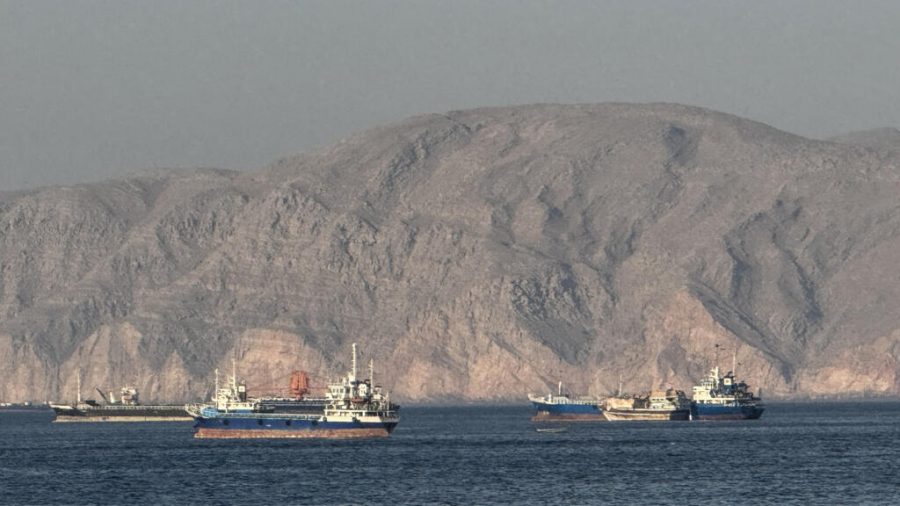
- Reopening the Strait of Hormuz: This vital waterway, through which a significant portion of the world’s oil supply passes, will be reopened, allowing for the free flow of commerce and trade.
- Sanctions Relief: The agreement includes provisions for easing economic sanctions that have heavily impacted Iran’s economy, aiming to foster a more cooperative economic environment.
- Nuclear Negotiations: Both parties have expressed their willingness to engage in further discussions regarding Iran’s nuclear program, a contentious issue that has long been a point of contention.
The Role of Pakistan as Mediator
The involvement of Pakistan as a mediator underscores its strategic position in the region and its commitment to peace. For years, Pakistan has sought to balance its relationships with both the US and Iran, and this agreement could serve to enhance its diplomatic standing. The announcement has been met with cautious optimism, as analysts observe the potential for increased stability in a region often marked by volatility.
Reactions from Global Leaders
Reactions to the announcement have been varied, with global leaders expressing hope that this agreement could pave the way for a more peaceful Middle East. Many analysts have highlighted the importance of the memorandum as a potential turning point in US-Iran relations. President Joe Biden hailed the agreement as a major diplomatic achievement, emphasizing his administration’s commitment to engaging with adversaries through dialogue rather than military action. Meanwhile, Iranian President Ebrahim Raisi welcomed the deal, asserting that it reflects Iran’s desire for peace and stability in the region.
Challenges Ahead
Despite the optimism surrounding this agreement, many challenges remain. The complexities of the Iranian nuclear program, longstanding regional rivalries, and the potential backlash from hardline factions in both countries could complicate the implementation of the memorandum. Observers stress that the success of this agreement will largely depend on the willingness of both sides to adhere to the terms and engage in good faith negotiations moving forward.
A New Chapter?
The signing of this memorandum represents a pivotal moment that could redefine the relationship between the US and Iran, potentially ushering in a new chapter of diplomacy in the region. As both nations prepare to embark on this uncharted territory, the world will be watching closely to see if this agreement can truly lead to a lasting peace.