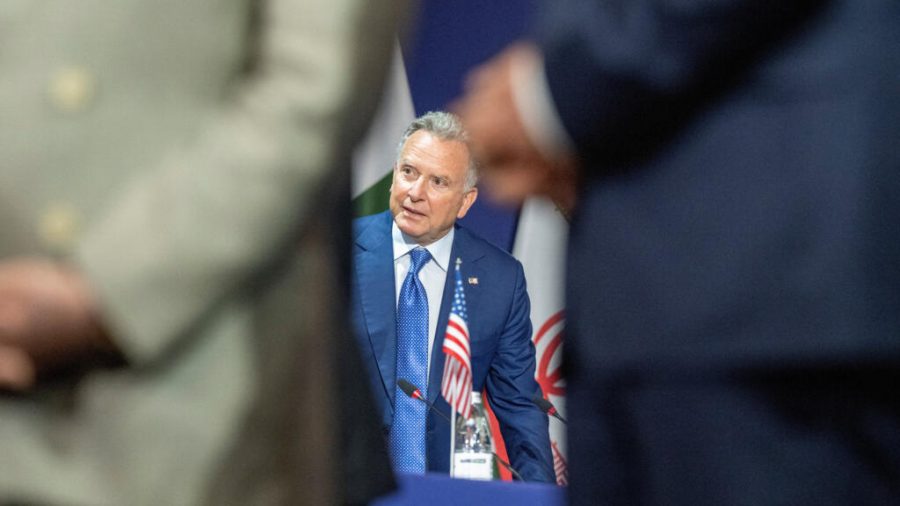
US Envoys Engage with Qatari Mediators on Iran Talks
In a significant diplomatic maneuver, US envoys convened with Qatari mediators in Doha on Tuesday to discuss the ongoing negotiations with Iran. This meeting, however, unfolds against a backdrop of skepticism as both Tehran and Doha have refuted claims made by former President Donald Trump regarding the existence of direct talks between the US and Iran.
Context of the Meeting
The discussions in Doha are pivotal as the two nations explore ways to implement a crucial memorandum of understanding aimed at bringing an end to the protracted conflicts that have plagued the Middle East. This initiative comes amid heightened tensions in the region and a pressing need for diplomatic solutions.
Trump’s Claims and Their Implications
Former President Trump’s assertions regarding direct US-Iran negotiations have been met with firm denial from both parties involved. Tehran has categorically dismissed the notion, emphasizing its stance on maintaining its sovereignty and independence in foreign policy. Similarly, the Qatari government has clarified that while they are facilitating discussions, there are no direct talks occurring between Washington and Tehran at this moment.
The Role of Qatar in Mediation
Qatar has positioned itself as a key mediator in Middle Eastern affairs, leveraging its unique relationships with both the US and Iran. The tiny Gulf nation has historically played a role in facilitating dialogue among various factions in the region, making it a strategic location for these high-stakes discussions.
What’s Next for US-Iran Relations?
The outcome of the recent talks in Doha remains uncertain, as both parties continue to navigate a complex landscape of diplomatic relations marked by mistrust and longstanding grievances. Analysts suggest that while the memorandum of understanding represents a potential pathway to peace, the implementation of its terms will require significant concessions from both the US and Iran.
Regional Impacts and Global Reactions
The continuation of hostilities in the Middle East not only affects the nations directly involved but also has broader implications for global stability. Countries within the region, as well as international powers, are closely monitoring the situation, recognizing that a successful negotiation could pave the way for a more peaceful and cooperative Middle East.
The Importance of Dialogue
As the situation evolves, the emphasis on dialogue remains crucial. Experts agree that without open lines of communication, the likelihood of miscalculations and escalations increases significantly. The talks in Doha represent a critical step toward fostering understanding and possibly averting further conflict.
Conclusion
While the outcome of the US-Qatar meetings and their implications for US-Iran relations remain uncertain, the ongoing discourse highlights a vital commitment to finding diplomatic solutions in a region fraught with tension. As both nations strive to implement the terms of the memorandum, the international community watches closely, hopeful for a breakthrough that could transform the geopolitical landscape of the Middle East.