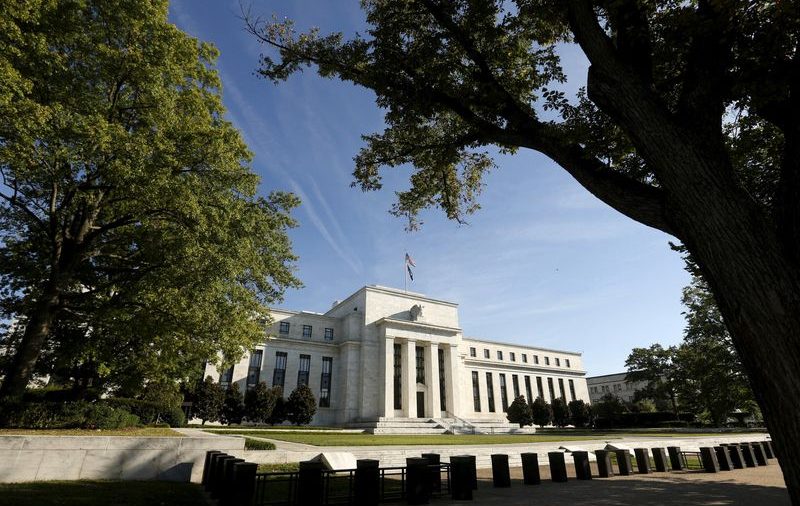
US Banks Await Fresh Insights from Fed Stress Tests
As financial institutions brace for the upcoming Federal Reserve stress tests, banks across the United States are keenly anticipating a new evaluation of their financial health. This assessment, conducted annually, plays a critical role in determining how well banks can withstand economic shocks.
The Importance of Stress Tests
Stress tests are a vital tool used by the Federal Reserve to assess the resilience of major banks in the face of hypothetical economic downturns. These evaluations are designed to ensure that financial institutions have adequate capital reserves to absorb losses during periods of financial strain.
The tests typically simulate various adverse scenarios, including severe recessions, significant drops in asset prices, and rising unemployment rates. By measuring the impact of these stress scenarios on banks’ balance sheets, regulators can identify vulnerabilities and enforce necessary capital requirements.
What to Expect in the 2023 Tests
This year, banks are particularly focused on how the Federal Reserve will adjust their stress-testing models in light of evolving economic conditions. With inflation rates fluctuating and the potential for a recession looming, the stakes are higher than ever.
- Increased Scrutiny: The Fed has indicated that it may adopt more stringent criteria for assessing capital adequacy in the wake of recent financial turmoil.
- Focus on Interest Rate Risks: Given the current economic environment, banks are preparing for heightened scrutiny regarding their exposure to interest rate risks.
- Climate Risks Consideration: This year’s tests may also incorporate factors related to climate change, reflecting a growing recognition of the financial sector’s vulnerability to environmental factors.
Bank Preparations and Strategies
In anticipation of the stress tests, banks have been taking proactive measures to bolster their capital positions. Many institutions are enhancing their risk management frameworks and ensuring that they are well-capitalized to meet potential challenges.
As part of their strategy, banks are focusing on:
- Strengthening Capital Buffers: Leading banks are increasing their capital reserves to ensure they can withstand severe economic shocks.
- Enhancing Risk Management Practices: Institutions are revising their risk assessment methodologies to better predict and mitigate potential losses.
- Investing in Technology: Many banks are deploying advanced analytics and artificial intelligence tools to improve their stress-testing capabilities.
Market Reactions and Public Confidence
The outcome of the Fed stress tests can significantly influence market sentiment and public confidence in the banking sector. Investors closely monitor the results, as they often serve as an indicator of a bank’s financial health and stability.
In the wake of the 2008 financial crisis, stress tests became a cornerstone of regulatory oversight, helping to restore trust in the financial system. However, as the economy continues to navigate uncertainty, the results of these tests are more critical than ever.
Looking Ahead
As the Federal Reserve prepares to release its stress test results, banks are on high alert, recognizing the potential implications for their operations and the broader economy. The tests not only assess the resilience of individual banks but also serve as a barometer for the health of the financial system as a whole.
In conclusion, the upcoming stress tests represent a pivotal moment for US banks. With evolving economic challenges and an increasingly complex financial landscape, how institutions respond to these tests will be closely watched by regulators, investors, and the public alike.