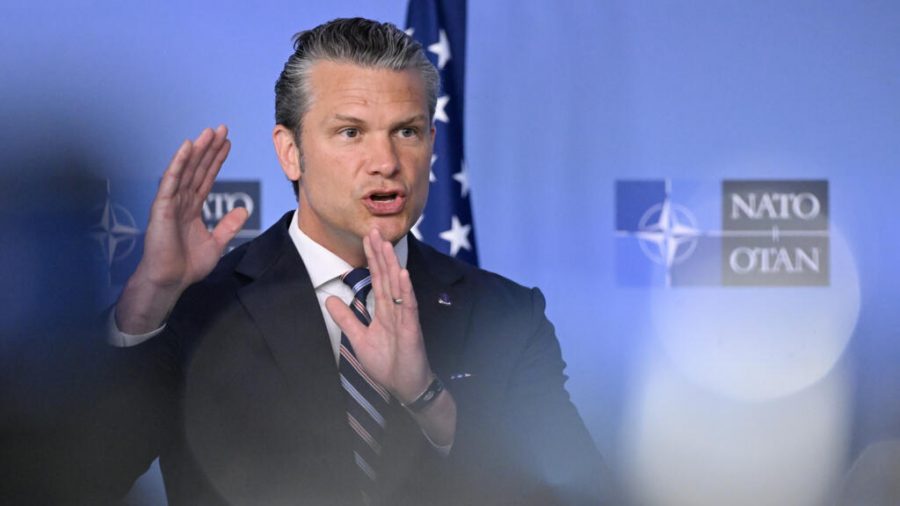
US Defense Secretary Announces Review of Military Presence in Europe
In a significant move that underscores the evolving geopolitical landscape, US Defense Secretary Pete Hegseth informed NATO officials on Thursday that the Pentagon plans to reassess its military force presence in Europe within the next six months. This announcement comes amid rising tensions related to the ongoing conflict in Iran and increasing calls for NATO allies to enhance their defensive capabilities.
Background on the Announcement
The Pentagon’s decision to conduct a review highlights the urgency with which the United States is approaching its commitment to NATO. With the backdrop of the Iran war, which has generated widespread concern among allied nations, Hegseth’s remarks signal a turning point in US defense policy in Europe.
Pressure on NATO Allies
As the conflict in Iran continues to unfold, Hegseth’s announcement serves as a wake-up call for NATO member states. The Pentagon is emphasizing the necessity for allies to bolster their military readiness and capabilities. This pressure comes in light of perceived shortcomings in the response of some NATO countries to the threats posed by the Iran situation.
- Increased Military Spending: NATO allies are encouraged to meet the alliance’s defense spending target of 2% of GDP.
- Enhanced Readiness: Member states must improve their military readiness to respond to potential threats.
- Joint Exercises: Greater collaboration through joint military exercises is essential for improving operational effectiveness.
Impact on US Forces in Europe
The impending review of US troop presence in Europe could lead to significant changes in the deployment of military resources. Currently, the United States maintains a substantial force in Europe, with approximately 60,000 troops stationed across various countries. The review aims to ensure that these forces are optimally positioned to respond to any emerging threats.
Strategic Considerations
Hegseth’s announcement is not just about troop numbers; it reflects a broader strategic consideration of how the US and its allies can effectively deter aggression in Europe and beyond. The Iran conflict has heightened the need for a united front among NATO nations, and the Pentagon’s review will play a crucial role in shaping future military strategies.
Allies Respond to the Call
In response to Hegseth’s remarks, several NATO allies have expressed their commitment to enhancing their defense capabilities. Countries such as Poland and the Baltic states, which are particularly concerned about regional security, have already begun increasing their military expenditures and readiness levels. This proactive approach is seen as vital in addressing the potential fallout from the Iran war and other global threats.
Conclusion
The next six months will be critical as the Pentagon conducts its review and NATO allies reassess their defense strategies. Hegseth’s announcement serves as a reminder of the importance of collective security in an increasingly volatile world, where threats can emerge unexpectedly. As the situation in Iran continues to evolve, the United States and its NATO partners must remain vigilant and prepared to adapt to new challenges.