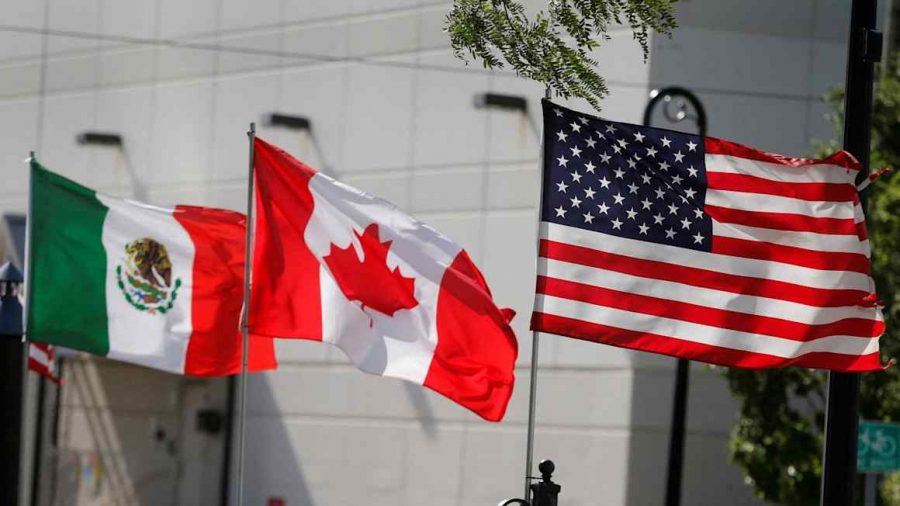
US Ends Trump’s Trade Deal with Canada and Mexico
In a significant policy shift, the United States has decided not to renew the trade agreement established under former President Donald Trump with its northern and southern neighbors, Canada and Mexico. Rather than extending the terms of the United States-Mexico-Canada Agreement (USMCA), the Biden administration will implement annual reviews of trade practices with these key partners, signaling a move toward a more flexible and responsive trade policy.
Background on the USMCA
The USMCA, which replaced the North American Free Trade Agreement (NAFTA), was designed to enhance trade between the three countries, aiming to create more balanced and reciprocal trade that would benefit American workers. While the agreement was hailed for its labor protections and environmental standards, it also faced criticism for not fully addressing the complexities of modern trade relations and economic challenges posed by the global market.
Annual Reviews: A New Approach
With the decision not to renew the USMCA, the Biden administration plans to conduct annual reviews of trade conditions and regulations. This approach aims to ensure that trade terms remain up-to-date and reflective of the current economic landscape. According to officials, these reviews will allow the U.S. to adapt more readily to changes in global trade dynamics, as well as to the needs and concerns of American businesses and workers.
Implications for Trade Relations
The shift away from a fixed long-term agreement to a more dynamic review process raises questions about the future of U.S. trade relations with Canada and Mexico. Analysts are closely monitoring how this new strategy will impact existing trade flows, tariffs, and the overall economic relationship between the three nations.
- Benefits of Flexibility: Proponents of the annual review model argue that it will provide the U.S. with greater flexibility to respond to economic shifts, emerging industries, and labor market changes.
- Concerns Over Stability: Critics, however, worry that the lack of a binding long-term agreement could lead to uncertainty in trade policies, potentially disrupting supply chains and affecting businesses that rely on stable trade conditions.
Political Reactions
The decision has drawn mixed reactions from lawmakers and industry leaders. Some believe that the annual reviews will facilitate a more tailored approach to trade that can better reflect the challenges faced by various sectors, particularly in agriculture and manufacturing. Others express concern that this could lead to inconsistent policies that may harm U.S. competitiveness.
“We need a trade policy that works for American families and businesses, not just for the sake of agreements,” said a senior administration official. “Annual reviews will give us the opportunity to make real-time adjustments that can help to protect American jobs and industries.”
Looking Ahead
As the U.S. embarks on this new trade journey, it remains to be seen how Canada and Mexico will respond. Both countries have been key partners in North American trade, and their reactions to the new framework will be crucial for future negotiations. Additionally, the global economic environment, characterized by ongoing tensions and recovery from the COVID-19 pandemic, will likely influence the outcomes of these annual reviews.
In conclusion, the U.S. government’s decision to forego the renewal of Trump’s trade deal represents a pivotal moment in North American trade relations. With a focus on adaptability and responsiveness, the Biden administration seeks to navigate the complexities of international commerce while prioritizing American interests.